Why Is My Check Engine Light Flashing?

January 30, 2026

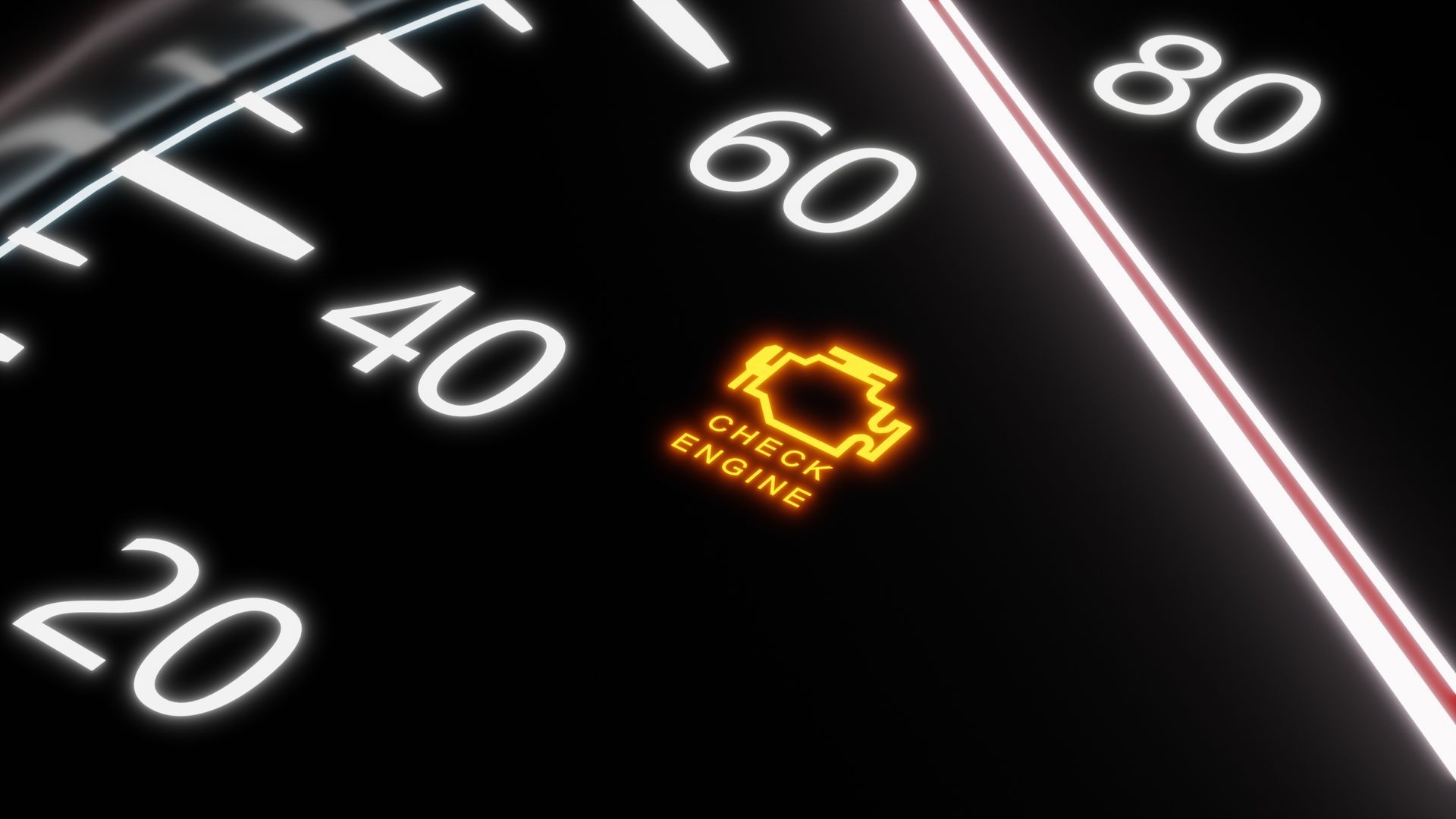
A solid check engine light is annoying. A flashing check engine light is the one that makes you sit up straight. It usually shows up when you are already busy, and it can leave you wondering if you can still make it home or if you are about to get stranded.


A flashing light almost always means the engine is misfiring right now. That matters because an active misfire can dump unburned fuel into the exhaust, and that can overheat the catalytic converter. The key is knowing what to do in the moment, then knowing what information helps a shop diagnose it quickly.


What A Flashing Check Engine Light Usually Means


Most of the time, flashing means the engine computer is detecting a severe misfire. Misfires happen when one or more cylinders do not burn the air-fuel mixture correctly. The engine may shake, hesitate, or feel weak. Sometimes it is obvious. Other times, it feels like a slight stumble that comes and goes.


This is different from a solid light that stays on for days. A flashing light is an active warning. The car may still run, but continuing to drive hard can turn a repair into a much bigger bill.


A Symptom Timeline: From Mild Stumble To Major Damage


Many misfires start as a mild skip that you only notice at idle or during light acceleration. Over time, it can grow into a stronger shake, loss of power, and worse fuel economy. Once the misfire becomes frequent enough, the check engine light can start flashing.


If driving continues under heavy load, the catalytic converter can overheat. That can create a hot smell, reduced power, or in some cases, the converter can become damaged internally. That is why a flashing light is treated as a stop-and-check moment, not something to ignore until your next oil change.


What To Do Right Away When It Starts Flashing


The safest approach is to reduce the load on the engine immediately. Ease off the throttle and avoid hard acceleration. If you are on the highway, move to the right lane and look for a safe place to pull over.


If the engine is shaking badly or the light keeps flashing steadily, it is best to stop driving. You can damage the catalytic converter quickly during an active misfire. If the light flashes briefly and then stops, you may be able to drive gently to a shop, but you should still schedule diagnostics soon because the problem usually returns.


Common Causes Of A Flashing Check Engine Light


Misfires have a handful of common causes. Some are simple wear items. Others are related to fuel delivery or air leaks. The only way to be sure is testing, but knowing the usual suspects helps you describe the problem well.


  • Worn spark plugs or failing ignition coils, especially on higher-mileage engines
  • Fuel injector problems or low fuel pressure
  • Vacuum leaks that lean out the mixture and create stumbling
  • Dirty mass airflow sensor or throttle body issues that affect airflow calculations
  • Engine mechanical issues, like low compression, are less common but possible
  • Oil or coolant leaks into plug wells, which can damage ignition components


Our technicians often see misfires show up under load first, like merging or climbing a hill. That detail helps narrow down whether the issue is ignition, fuel, or air-related.


Driving Clues That Help Narrow The Direction


Pay attention to when the flashing happens. Does it start during acceleration, uphill driving, or at idle in traffic? Does it only happen when the engine is cold, or after the car has been driven for a while?


Also notice if the car smells like fuel, if the exhaust sounds different, or if the engine feels like it is shaking the whole vehicle. If the light flashes and you feel no change at all, the misfire may be intermittent or limited to a certain condition. Those details are still useful because they point to what data we should look at first.


Mistakes To Avoid When The Light Is Flashing


Do not keep driving hard and assume it will clear up. Do not keep restarting the engine, hoping it resets. If the problem is ignition-related, continuing to run it can worsen the condition and create additional issues in the exhaust.


Avoid randomly replacing parts based on what you read online. A flashing light can come from plugs, coils, injectors, or air leaks, and the symptoms overlap. Swapping parts without confirmation often leads to wasted money and the same problem coming back.


How We Diagnose the Flashing Check Engine Light


The first step is scanning codes and looking at freeze-frame data. That tells us which cylinder is misfiring and under what conditions it happened. We also look at live misfire counts and fuel trim data to see whether the engine is running lean, rich, or unstable.


From there, we test the ignition system, inspect plugs and coils, and check for vacuum leaks. If fuel delivery is suspected, we check pressure and injector performance. The goal is to pinpoint the root cause, then verify the fix with a road test and a recheck of misfire data.


Get Check Engine Light Diagnostics in Plano, TX, with Kwik Kar Auto Repair – Parker Road


We can scan your vehicle, identify which cylinder is misfiring, and confirm whether the cause is ignition, fuel delivery, or an air leak. We’ll explain what we find and recommend the repair that solves the problem without unnecessary parts replacement.


Call Kwik Kar Auto Repair – Parker Road in Plano, TX, to schedule diagnostics and stop that flashing check engine light before it damages your catalytic converter.
Color-Coding Your Exhaust Smoke - What the Color of Fumes Mean | Kwik Kar Auto Repair – Parker Road
December 19, 2025
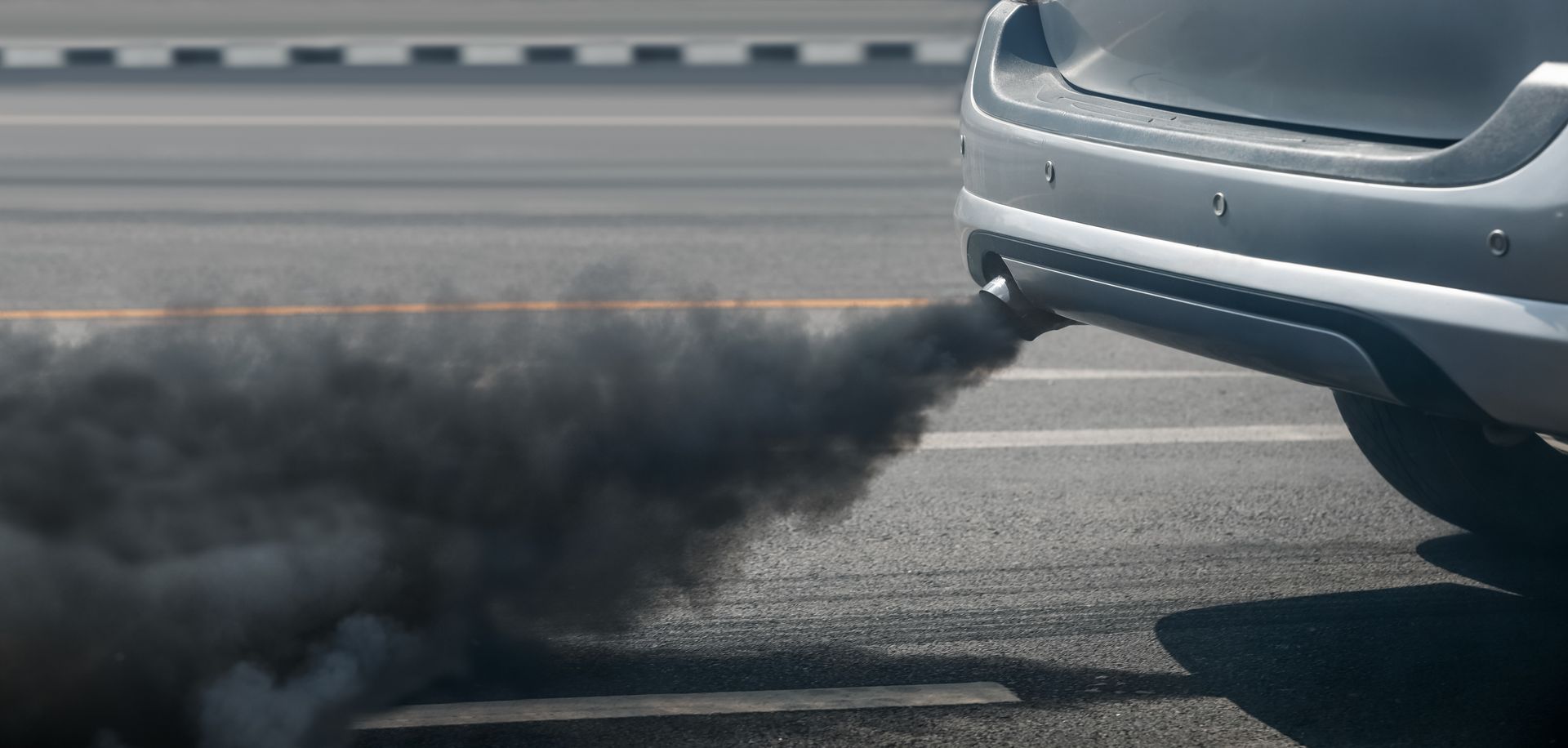
Kwik Kar Auto Repair – Parker Road in Plano, TX, explains what different exhaust smoke colors mean and which engine problems they may indicate.
Why Even a “Good” Battery Can Give Up in Cold Weather | Kwik Kar Auto Repair – Parker Road
November 28, 2025
Kwik Kar Auto Repair – Parker Road in Plano, TX, explains why even a strong battery can fail when temperatures drop suddenly.
How Ignoring The Low Oil Pressure Warning Can Cost You a New Engine | Kwik Kar Auto Repair – Parker
October 31, 2025
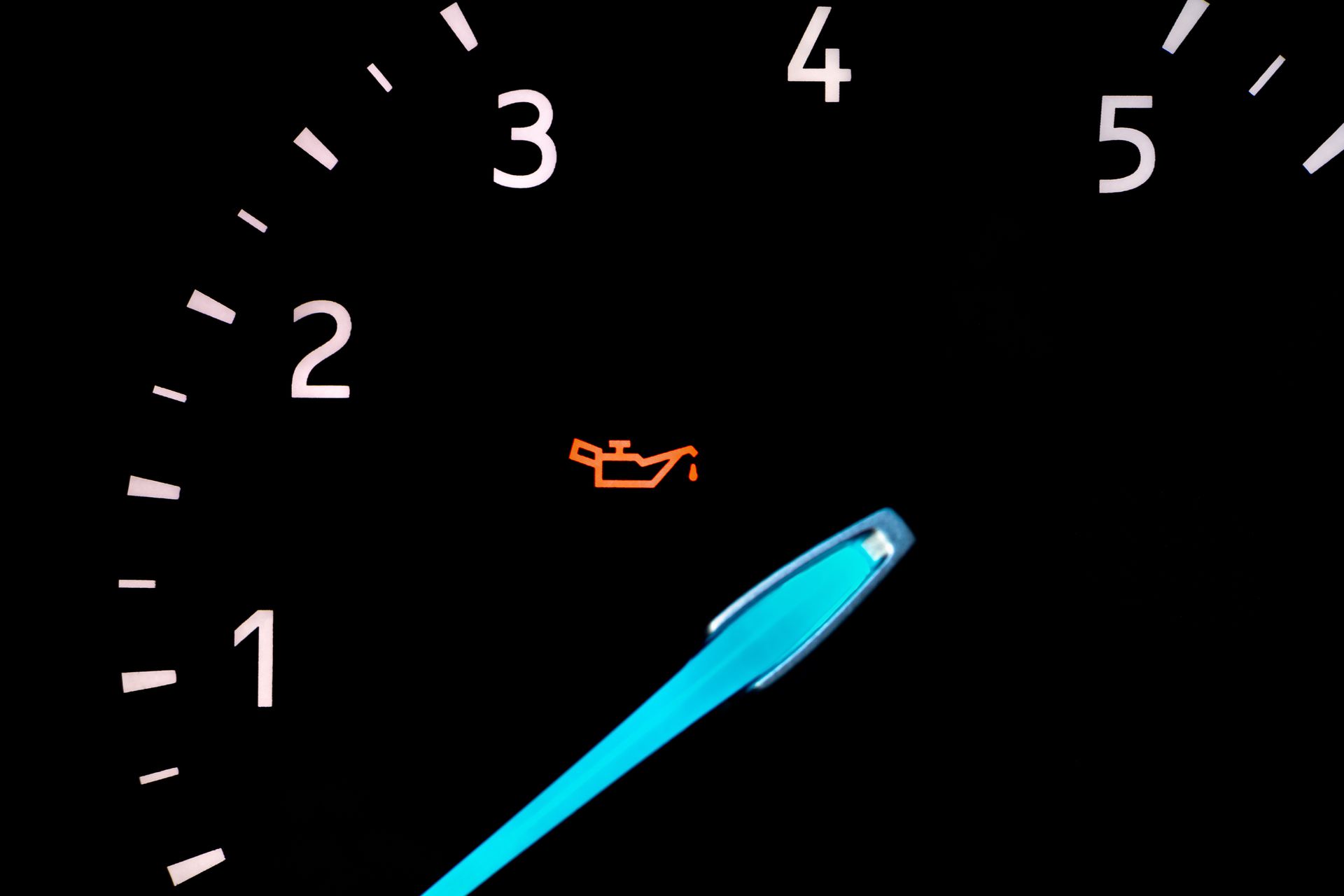
Kwik Kar Auto Repair – Parker Road in Plano, TX, warns how ignoring the low oil pressure light can lead to serious engine damage.
Is Your Suspension Ready to Handle Texas’ Bumpy Backroads? | Kwik Kar Auto Repair – Parker Road
September 26, 2025
Kwik Kar Auto Repair in Plano, TX, outlines how to prepare your suspension system for rough backroads across Texas.
What’s Causing That Grinding Noise When I Brake? | Kwik Kar Auto Repair - Parker Road
August 29, 2025
Brakes are one of the most important safety features on your vehicle, and any unusual noise when braking should be taken seriously. A grinding sound is especially concerning because it often points to worn parts that could compromise your stopping ability. Ignoring it can lead to more expensive repairs and reduced safety on the road. Knowing what causes brake grinding and acting quickly can help you avoid bigger problems. Worn Brake Pads The most common reason for grinding brakes is worn brake pads. Brake pads have a friction material that wears down with use. Once this material is gone, the metal backing plate makes contact with the brake rotor every time you press the pedal. This metal-on-metal contact creates a loud grinding sound and can quickly damage the rotors. Replacing pads before they wear down completely not only prevents grinding but also protects the rotors from costly damage. Damaged or Worn Rotors If you’ve been driving with worn pads for too long, your rotors may have deep grooves or scoring. This damage can also create a grinding sound, even after new pads are installed. Warped rotors from excessive heat can cause vibrations along with noise, making braking less smooth and less effective. In some cases, rotors can be resurfaced, but often they need to be replaced to restore safe, quiet braking. Debris Caught in the Brakes Small stones, rust flakes, or other debris can get lodged between the rotor and the brake pad. This creates a constant grinding or scraping noise when you brake or even when driving without braking. While this is less common, it’s still important to address it immediately since the debris can score the rotor’s surface and reduce braking performance. Caliper or Hardware Problems Brake calipers hold the pads in place and press them against the rotors when you brake. If a caliper is sticking or if the hardware is damaged, it can cause uneven pad wear, overheating, and grinding noises. A sticking caliper can also make the vehicle pull to one side while braking and can quickly overheat the brakes. Lack of Lubrication in Brake Components The moving parts of the braking system, such as caliper slides and contact points, need to be properly lubricated to operate quietly. Without lubrication, these parts can seize or wear unevenly, leading to noise and reduced braking efficiency. Why You Shouldn’t Ignore Grinding Brakes Driving with grinding brakes can cause serious damage to your braking system. Metal-on-metal contact wears down components quickly, increasing repair costs and making your car unsafe to drive. In extreme cases, you may lose braking ability altogether. Even if the grinding turns out to be caused by something minor, it’s better to have it checked early than to risk major brake failure. Diagnosing the Problem A professional brake inspection will include checking the thickness of the pads, the condition of the rotors, and the operation of the calipers. The technician will also look for debris, damage, and signs of overheating. From there, they can recommend the right repair—whether that’s replacing pads and rotors, cleaning out debris, or servicing calipers and hardware . Preventing Brake Grinding Routine brake maintenance is the best way to prevent grinding. Have your brakes inspected regularly, especially if you drive in heavy traffic, tow, or travel in hilly areas where brakes work harder. Replacing pads before they wear down completely keeps the rest of the braking system in better shape. Also, pay attention to early warning signs like squealing or squeaking when braking. These sounds often mean the pads are getting thin and need replacement soon. Brake Service at Kwik Kar Auto Repair – Parker Road – Plano, TX If you hear grinding when you brake, don’t wait to have it checked. At Kwik Kar Auto Repair – Parker Road in Plano, TX, our experienced technicians can diagnose the cause, replace worn parts, and restore your vehicle’s stopping power. Schedule your brake inspection today and drive with confidence knowing your brakes are safe and reliable.
What Should You Look for in a Fleet Service Provider in Texas? | Kwik Kar Auto Repair - Parker Road
July 25, 2025
Kwik Kar Auto Repair in Plano and throughout Texas shares what to look for in a fleet service provider to keep your business vehicles running smoothly.
Prepare Your Car for Summer Adventures With These Essentials | Kwik Kar Auto Repair - Parker Road
June 27, 2025
Kwik Kar Auto Repair in Plano, TX, shares a checklist of summer car care tips to keep your vehicle road-trip ready.
How Car Color Impacts Cabin Heat in the Texas Sun | Kwik Kar Auto Repair
May 30, 2025
Kwik Kar Auto Repair in Texas explains how your car’s color can affect cabin temperature under the Texas sun.
How Can I Tell If That Spot Under My Car Is an Oil Leak? | Kwik Kar Auto Repair - Parker Road
April 25, 2025
Kwik Kar in Plano, TX, helps you identify whether the fluid under your car is engine oil and what to do if you spot a leak.
Should I Be Worried If My Brake Pedal Pulses While Braking? | Kwik Kar Auto Repair - Parker Road
March 28, 2025
Kwik Kar Auto Repair - Parker Road in Texas explains why your brake pedal pulses while braking. Learn the causes and when to seek professional brake service.