Why Even a “Good” Battery Can Give Up in Cold Weather

November 28, 2025

Cold mornings in Plano reveal battery problems that never show up in September. A battery that seemed fine yesterday can struggle today, even if a parts store tester once called it “good.” The reason is simple physics. As the temperature drops, batteries deliver less power while engines demand more. A small margin turns into no margin, and the starter slows.


Why Cold Weather Exposes Weak Batteries


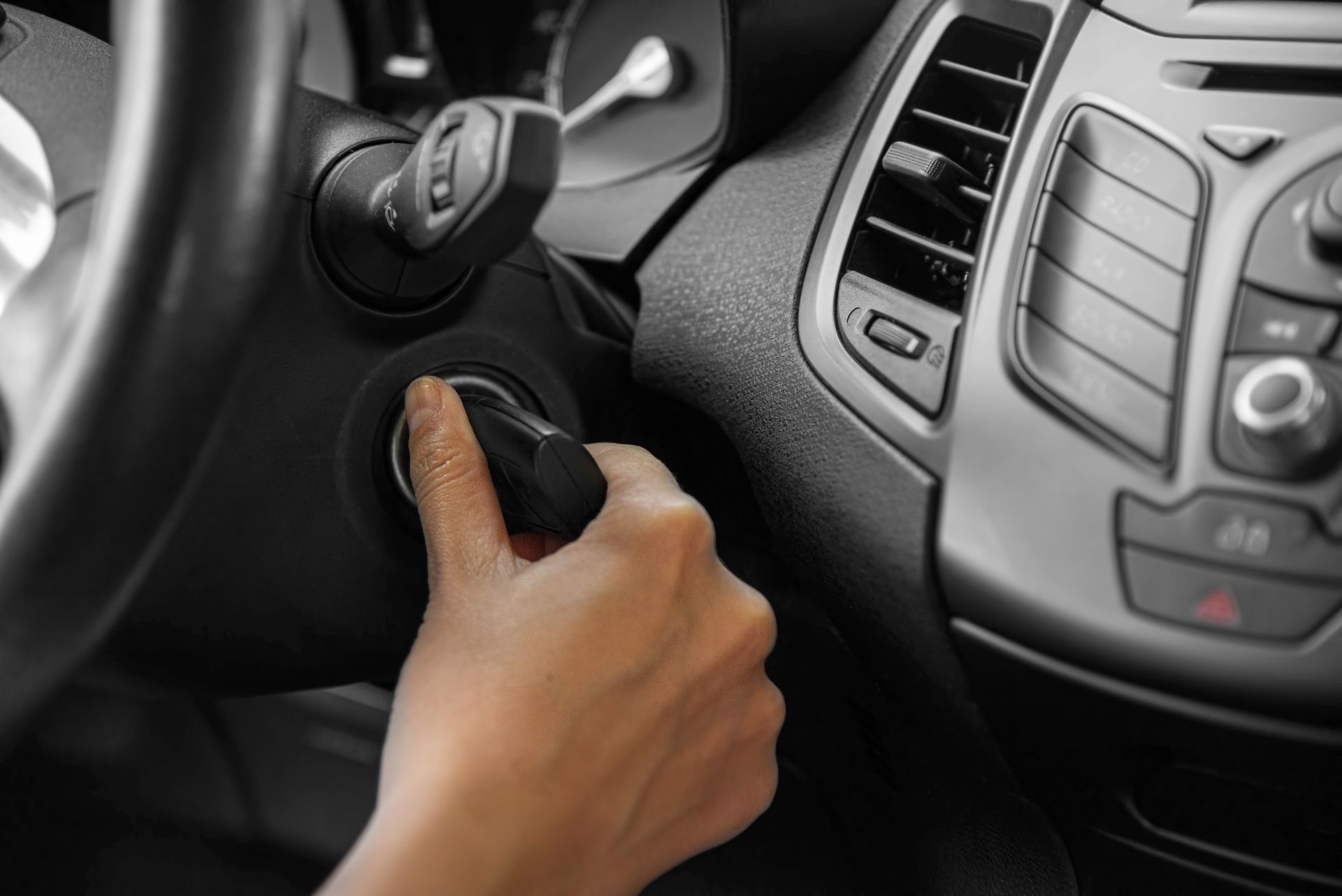
Batteries create electricity through chemical reactions that slow down in the cold. At 0°F, a typical battery can lose around half of its cranking power. At the same time, thick oil and higher internal friction ask the starter to work harder. If the battery had only a small reserve on warm days, that cushion disappears when a front moves through North Texas.


How Batteries Lose Strength As They Age


Every start shaves a little life from the plates inside the battery. Heat during summer accelerates this wear, which is why many “winter” failures are actually the result of summer damage. Vibration, short trips, and staying partially charged also shorten life. Corroded terminals and tired ground connections waste voltage that should turn the starter, so even a young battery can act old.


Warning Signs Before A Cold Snap


Listen for the starter turning slower than usual or a brief dash flicker during cranking. Stop-start systems that rarely engage, radio presets that reset, or random warning messages after startup point to borderline voltage. If headlights dim noticeably at idle with the blower and rear defrost on, the system is running close to its limits. These are gentle nudges to test the battery before the first frosty morning.


Quick Checks You Can Do At Home


  • Look at the battery case for swelling, cracks, or wet staining around the caps or seams.
  • Check terminals for white or green crust that signals corrosion and higher resistance.
  • Turn on headlights for a minute, then start the car. If lights dip hard, the battery may be weak.
  • After a short drive, shut off the engine and listen for a sizzling sound at the battery, which can indicate internal issues.


What Technicians Test During A Battery Evaluation


A proper test reads more than open-circuit voltage. We measure the state of charge, then perform a load test that simulates a cold start. Conductance testing reveals internal plate health and can catch batteries that pass one day but fail the next. We verify alternator output at idle and higher rpm with accessories on, check voltage drop across main cables and grounds, and inspect the belt and tensioner so the alternator can do its job after a cold start.


Plano-Specific Habits That Help On Cold Mornings


North Texas swings from warm to cold quickly. Keep the battery fully charged by driving regularly, as short trips do not replace the energy used during start-up. Park in a garage when possible so the battery stays a little warmer. Before shutting down at night, switch off seat heaters and high electrical loads so the next morning’s start has fewer demands.


When To Replace Versus Recharge


Choose replacement when a test shows low reserve capacity, repeated slow cranking, or a battery over four to five years old that fails a load test. Consider a recharge when the battery is under three years old, tests healthy on conductance, and was simply drained by lights or short-trip use. Any visible case damage, severe corrosion at the posts, or leaking around the vents calls for replacement regardless of age.


What To Do If The Engine Barely Turns


Stop cranking after a few slow attempts. Long, repeated cranks overheat the starter and drain the battery further. Turn off all accessories, wait a minute, and try once more. If cranking stays slow, call for help. A controlled jump or tow avoids extra damage. After any jump start, schedule a complete charging system test, not just a quick voltage reading.


Get Reliable Cold-Weather Starts With Kwik Kar Auto Repair – Parker Road In Plano, TX


If your starter sounds tired or the dash has begun to flicker on chilly mornings, we can test everything and fix what matters. Our technicians perform true load and conductance tests, verify alternator output and belt condition, clean and secure grounds, and install the correct battery for your vehicle.


Schedule a visit with Kwik Kar Auto Repair on Parker Road in Plano, TX, and leave with confidence all winter.
How Ignoring The Low Oil Pressure Warning Can Cost You a New Engine | Kwik Kar Auto Repair – Parker
October 31, 2025
Kwik Kar Auto Repair – Parker Road in Plano, TX, warns how ignoring the low oil pressure light can lead to serious engine damage.
Is Your Suspension Ready to Handle Texas’ Bumpy Backroads? | Kwik Kar Auto Repair – Parker Road
September 26, 2025
Kwik Kar Auto Repair in Plano, TX, outlines how to prepare your suspension system for rough backroads across Texas.
What’s Causing That Grinding Noise When I Brake? | Kwik Kar Auto Repair - Parker Road
August 29, 2025
Brakes are one of the most important safety features on your vehicle, and any unusual noise when braking should be taken seriously. A grinding sound is especially concerning because it often points to worn parts that could compromise your stopping ability. Ignoring it can lead to more expensive repairs and reduced safety on the road. Knowing what causes brake grinding and acting quickly can help you avoid bigger problems. Worn Brake Pads The most common reason for grinding brakes is worn brake pads. Brake pads have a friction material that wears down with use. Once this material is gone, the metal backing plate makes contact with the brake rotor every time you press the pedal. This metal-on-metal contact creates a loud grinding sound and can quickly damage the rotors. Replacing pads before they wear down completely not only prevents grinding but also protects the rotors from costly damage. Damaged or Worn Rotors If you’ve been driving with worn pads for too long, your rotors may have deep grooves or scoring. This damage can also create a grinding sound, even after new pads are installed. Warped rotors from excessive heat can cause vibrations along with noise, making braking less smooth and less effective. In some cases, rotors can be resurfaced, but often they need to be replaced to restore safe, quiet braking. Debris Caught in the Brakes Small stones, rust flakes, or other debris can get lodged between the rotor and the brake pad. This creates a constant grinding or scraping noise when you brake or even when driving without braking. While this is less common, it’s still important to address it immediately since the debris can score the rotor’s surface and reduce braking performance. Caliper or Hardware Problems Brake calipers hold the pads in place and press them against the rotors when you brake. If a caliper is sticking or if the hardware is damaged, it can cause uneven pad wear, overheating, and grinding noises. A sticking caliper can also make the vehicle pull to one side while braking and can quickly overheat the brakes. Lack of Lubrication in Brake Components The moving parts of the braking system, such as caliper slides and contact points, need to be properly lubricated to operate quietly. Without lubrication, these parts can seize or wear unevenly, leading to noise and reduced braking efficiency. Why You Shouldn’t Ignore Grinding Brakes Driving with grinding brakes can cause serious damage to your braking system. Metal-on-metal contact wears down components quickly, increasing repair costs and making your car unsafe to drive. In extreme cases, you may lose braking ability altogether. Even if the grinding turns out to be caused by something minor, it’s better to have it checked early than to risk major brake failure. Diagnosing the Problem A professional brake inspection will include checking the thickness of the pads, the condition of the rotors, and the operation of the calipers. The technician will also look for debris, damage, and signs of overheating. From there, they can recommend the right repair—whether that’s replacing pads and rotors, cleaning out debris, or servicing calipers and hardware . Preventing Brake Grinding Routine brake maintenance is the best way to prevent grinding. Have your brakes inspected regularly, especially if you drive in heavy traffic, tow, or travel in hilly areas where brakes work harder. Replacing pads before they wear down completely keeps the rest of the braking system in better shape. Also, pay attention to early warning signs like squealing or squeaking when braking. These sounds often mean the pads are getting thin and need replacement soon. Brake Service at Kwik Kar Auto Repair – Parker Road – Plano, TX If you hear grinding when you brake, don’t wait to have it checked. At Kwik Kar Auto Repair – Parker Road in Plano, TX, our experienced technicians can diagnose the cause, replace worn parts, and restore your vehicle’s stopping power. Schedule your brake inspection today and drive with confidence knowing your brakes are safe and reliable.
What Should You Look for in a Fleet Service Provider in Texas? | Kwik Kar Auto Repair - Parker Road
July 25, 2025
Kwik Kar Auto Repair in Plano and throughout Texas shares what to look for in a fleet service provider to keep your business vehicles running smoothly.
Prepare Your Car for Summer Adventures With These Essentials | Kwik Kar Auto Repair - Parker Road
June 27, 2025
Kwik Kar Auto Repair in Plano, TX, shares a checklist of summer car care tips to keep your vehicle road-trip ready.
How Car Color Impacts Cabin Heat in the Texas Sun | Kwik Kar Auto Repair
May 30, 2025
Kwik Kar Auto Repair in Texas explains how your car’s color can affect cabin temperature under the Texas sun.
How Can I Tell If That Spot Under My Car Is an Oil Leak? | Kwik Kar Auto Repair - Parker Road
April 25, 2025
Kwik Kar in Plano, TX, helps you identify whether the fluid under your car is engine oil and what to do if you spot a leak.
Should I Be Worried If My Brake Pedal Pulses While Braking? | Kwik Kar Auto Repair - Parker Road
March 28, 2025
Kwik Kar Auto Repair - Parker Road in Texas explains why your brake pedal pulses while braking. Learn the causes and when to seek professional brake service.
What Are the Signs My Car’s Power Steering Is Failing? | Kwik Kar Auto Repair
February 28, 2025
Kwik Kar Auto Repair in Texas explains the signs that your car’s power steering is failing. Learn what to watch for and when to seek professional repairs.
What Causes Vehicle Exhaust Backfire? | Kwik Kar Auto Repair - Parker Road
January 31, 2025
Kwik Kar Auto Repair on Parker Road in Plano, TX, explains what causes vehicle exhaust backfire.