Cold-start rattles are usually about oil pressure and mechanical clearance. When an engine sits, oil drains back into the pan, and parts cool and contract. On the next start, oil has to refill passages and build pressure while metal parts are briefly running with less cushioning than they had once everything is warm.
That short window is where most cold-start noise lives.
The Difference Between A Brief Rattle And A Persistent Noise
A rattle that lasts one or two seconds and disappears completely once oil pressure stabilizes is a common pattern. It still deserves attention, but it often points to a component that is slow to fill with oil at start-up. A rattle that lasts 10 to 30 seconds, or one that returns every time you accelerate, is a different category and should be checked promptly.
The other key detail is consistency. If it happens every time you start, you can easily reproduce it for inspection. If it happens randomly, it may be oil level, oil viscosity, or a part that is on the edge of failing and only complains under certain conditions.
Low Oil Level Or The Wrong Oil Viscosity
Low oil level is one of the simplest reasons for cold-start rattles, and it’s also one of the easiest to confirm. If the oil level is low, the pickup can draw air briefly, especially after the car sits on an incline. That delays pressure and can create a dry rattle from the top end.
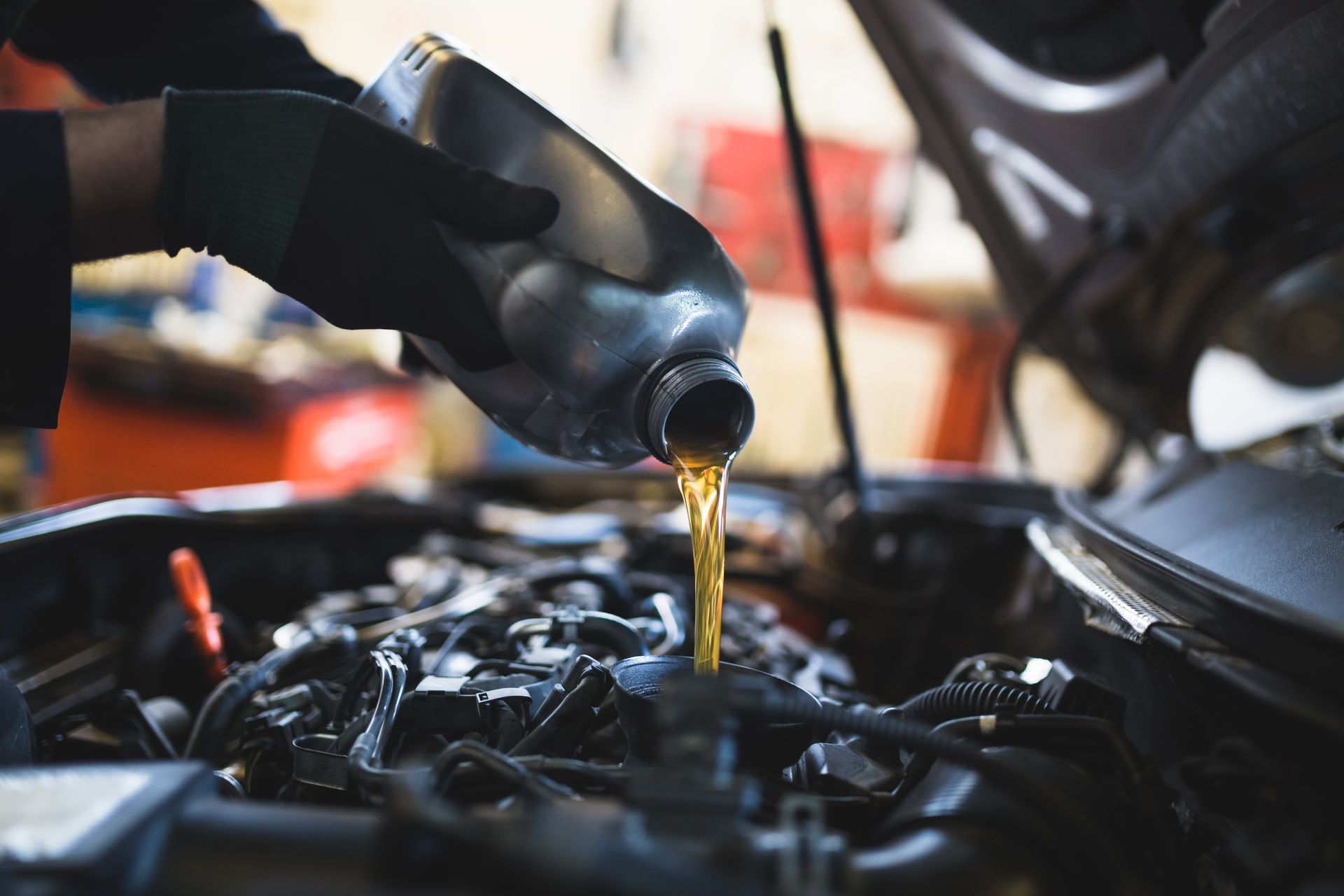
Oil viscosity matters too. Engines are designed around a specific oil weight. Thicker oil can build pressure differently in cold weather, while oil that’s too thin can drain faster and reduce the film strength during the first moments after start. This is why sticking to the specified oil and keeping it at the correct level is a basic part of regular maintenance.
Variable Valve Timing Actuators And Oil Control Issues
Many modern engines use variable valve timing, and the actuators that change cam timing rely on clean oil pressure. When those actuators are slow to fill, or the oil control valves stick, you can hear a rattle at start-up until oil pressure stabilizes and the actuator locks into position.
This kind of rattle is often most noticeable after the car sits overnight. It can also be louder after longer oil intervals or when the oil is dirty, because deposits make small oil passages less responsive. An inspection here focuses on oil condition, oil pressure behavior, and whether the noise lines up with cam timing components.
Timing Chain Tensioner Bleed-Down
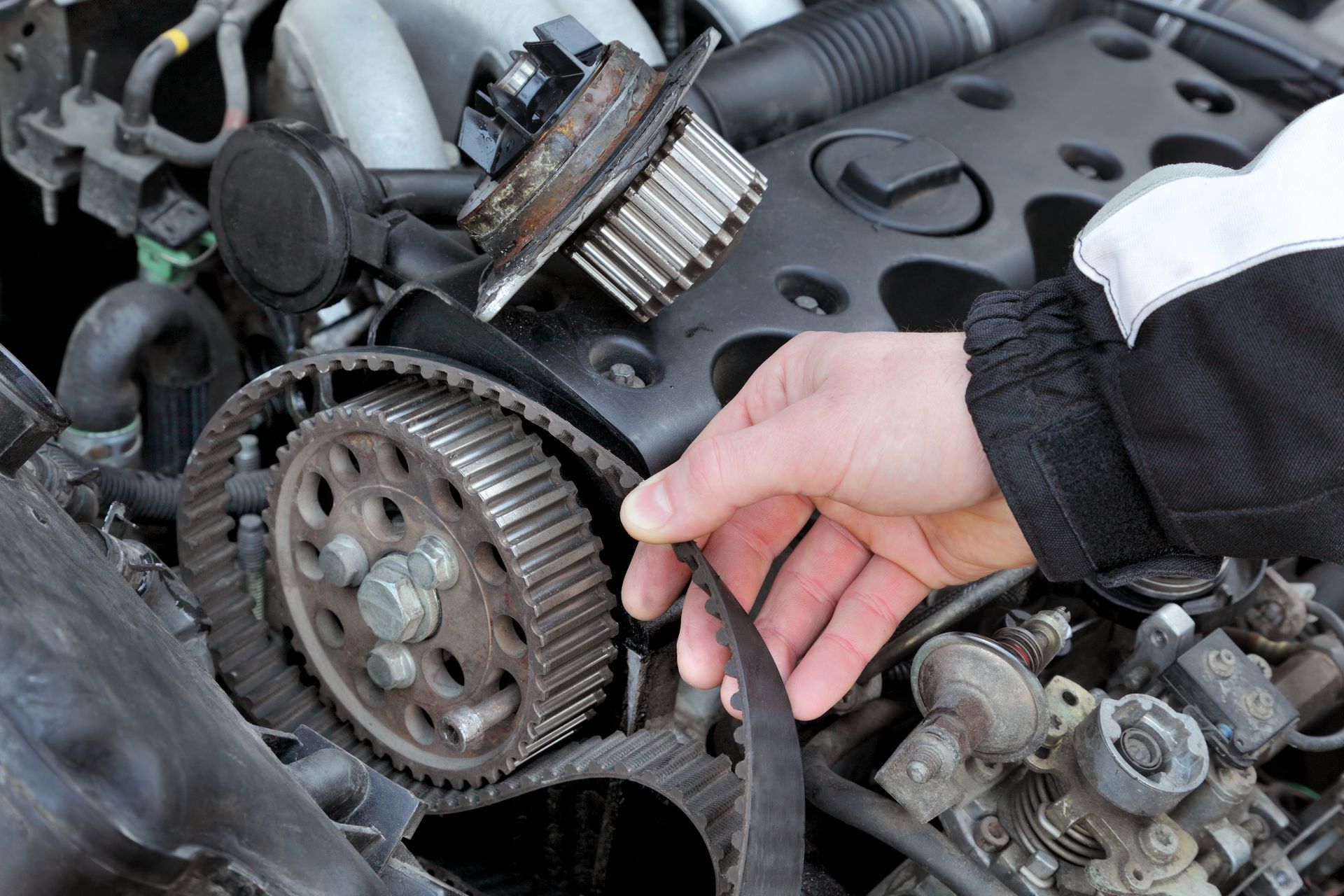
Timing chain engines use tensioners that rely on oil pressure to keep the chain tight. If a tensioner bleeds down while the engine sits, the chain can slap briefly on start-up until pressure builds and the tensioner takes up slack. That produces a sharp rattle that is usually located toward the front of the engine.
If the chain guides are worn or the chain is stretched, the rattle can last longer and become more frequent. This is not a wait-and-see item if it starts getting louder or lasting longer, because excessive slack can lead to timing issues and significant engine damage.
Lifters And Top-End Noise On Start-Up
Hydraulic lifters also depend on oil pressure. If a lifter drains down, it can tick or rattle briefly until it refills. The sound is often higher-pitched than a chain rattle and may come from the top of the engine. It can sound like a rapid tapping that disappears as the engine warms.
Lifter noise can be influenced by oil condition and oil change intervals. If the oil is dirty, passages can gum up and slow the refill. If the oil is old and thinned, it can drain faster. This is a good example of why consistent service matters, because clean oil supports fast pressure build and quiet operation.
Quick Checks That Help Narrow The Cause
Before you assume the worst, gather a few details. These clues help a technician pinpoint whether the noise is oil-pressure related, timing related, or accessory related. You don’t need to disassemble anything to capture the pattern.
- Check the oil level on level ground and note if it’s low.
- Note how long the rattle lasts: 1 to 2 seconds versus 10 seconds or more.
- Listen for location: front of engine, top of engine, or one side.
- Pay attention to temperature: only after overnight sitting, or also after short stops.
- Record a short video with the sound if it’s hard to reproduce at the shop.
An inspection is especially useful if the rattle is getting longer or louder, because that usually means the part is wearing past the point where oil pressure can mask it.
Get Cold Start Noise Help In Plano, TX, With Kwik Kar Auto Repair
If your engine rattles on cold starts, the next step is confirming whether it’s the oil level and pressure behavior, a timing chain tensioner issue, or a valve timing component that’s slow to fill, then addressing it before it turns into a bigger repair. Schedule your service or visit Kwik Kar Auto Repair in Plano, TX, and you’ll get a clear explanation and a practical fix plan based on what we find.
Catching it early usually keeps it simpler.