Is It Safe To Drive With An Engine Misfire And Blinking Check Engine Light?

May 29, 2026

A misfire can start small enough to make you second-guess it. The engine shakes once at a stoplight, stumbles when you merge, then feels rough for a few seconds before settling down.


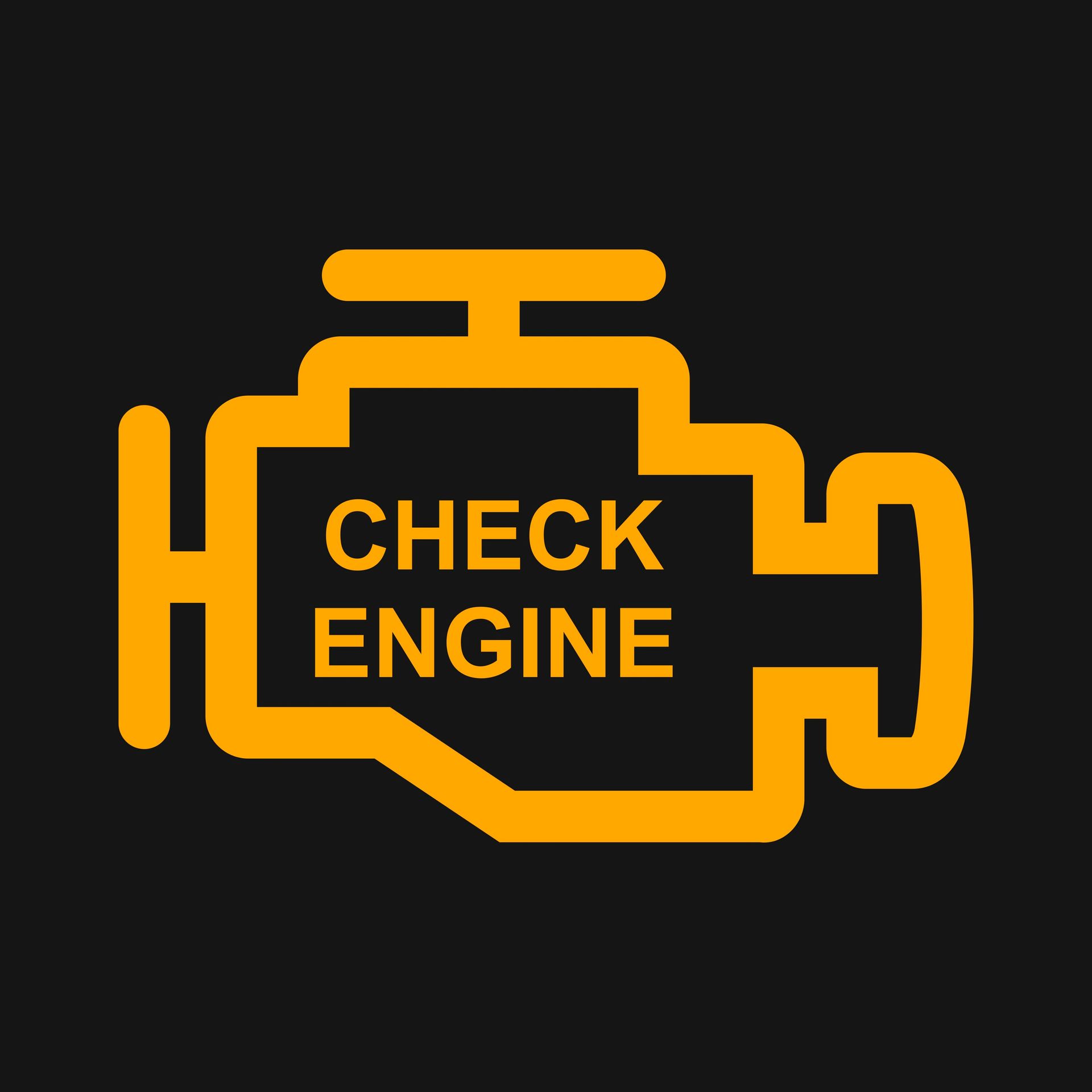
A blinking check engine light changes the situation.


That light usually means the misfire is active right now. Not stored from last week. Not something the car casually noticed once. The engine is misfiring hard enough that continuing to drive can damage parts that cost far more than the original problem.


What An Engine Misfire Means


An engine misfire occurs when one cylinder fails to burn the air-fuel mixture properly. That cylinder may skip, fire weakly, or fail to fire at all. The engine loses its rhythm, which can cause shaking, hesitation, jerking, or a rough idle.


Some misfires are easy to feel. Others only show up under load, like climbing a hill, accelerating onto the highway, or driving with the A/C on. The car may feel fine while cruising and then act up the moment you ask for more power.


That pattern matters. It often tells us whether the issue is tied to spark, fuel, air, compression, or heat.


Why The Light Blinks Instead Of Staying Solid


A steady check engine light usually indicates the computer has detected a fault that requires service. A blinking light is more urgent. In many vehicles, the computer flashes the light when it detects a misfire that could damage the catalytic converter.


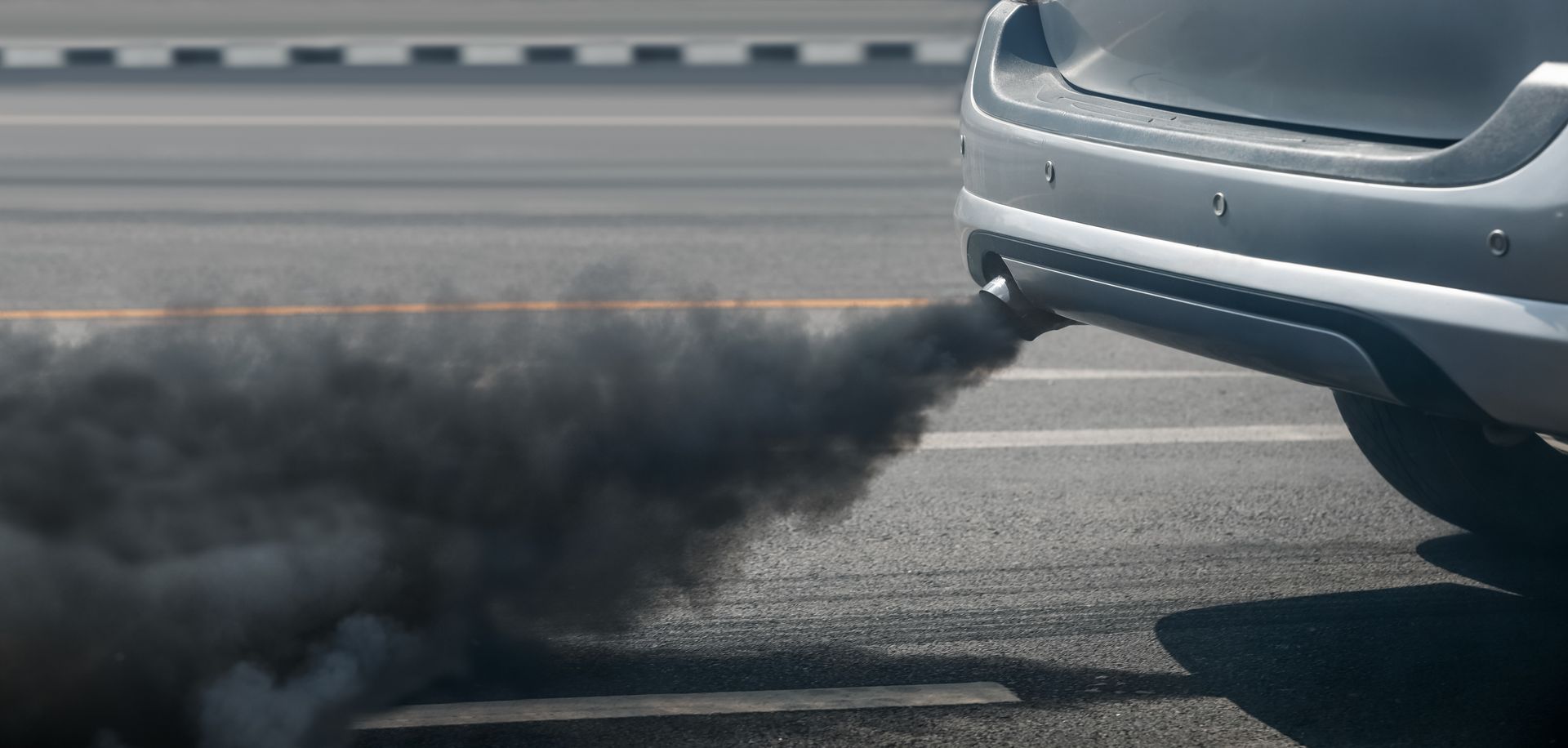
When fuel does not burn inside the cylinder, it can move into the exhaust. The catalytic converter then has to handle excess fuel and heat. It was not built to handle that for long.


This is why a blinking light should not be treated like a normal warning. The engine may still run, but the exhaust system may be taking damage every mile.


Can You Drive A Few Miles?


Sometimes you can move the car a very short distance to get out of traffic or reach a safe parking lot. That is different from continuing your commute, driving across town, or trying to make it home because it is close.


If the light is blinking, ease off the gas. Avoid hard acceleration. If the engine is shaking badly, losing power, or the light keeps flashing, pull over safely and shut it off. A tow may feel frustrating, but it is usually cheaper than replacing a catalytic converter after driving through a strong misfire.


The short drive is the gamble.


If you must move it, keep it slow and gentle. If the shaking gets worse, stop.


Common Causes Behind A Misfire


Spark plugs and ignition coils are common causes, especially when maintenance is overdue. A worn spark plug makes the coil work harder. A weak coil may fire fine at idle, then fail when the engine is under load. That is why the problem can feel random at first.


Fuel issues can also cause a misfire. A clogged injector, a weak fuel pump, low fuel pressure, or an injector wiring problem can leave one cylinder short of fuel. Air leaks can create a lean condition, which can also make the engine stumble.


Compression problems are more serious. If a cylinder has low compression from valve, ring, or head gasket trouble, new plugs and coils will not solve it. That is why guessing gets expensive.


What Drivers Usually Notice First


A blinking check engine light often comes with a few other signs. The engine may shake at idle. The exhaust may smell like fuel. The car may feel weak when accelerating. You might feel a rhythmic vibration through the seat or steering wheel.


Sometimes the light blinks only when you press the gas, then turns steady again when you back off. Do not ignore that. The engine is showing you that the misfire happens under load.


If you can remember when it happened, tell the shop. Cold start, hot idle, uphill driving, wet weather, or highway speed are all useful clues.


How We Track The Cause


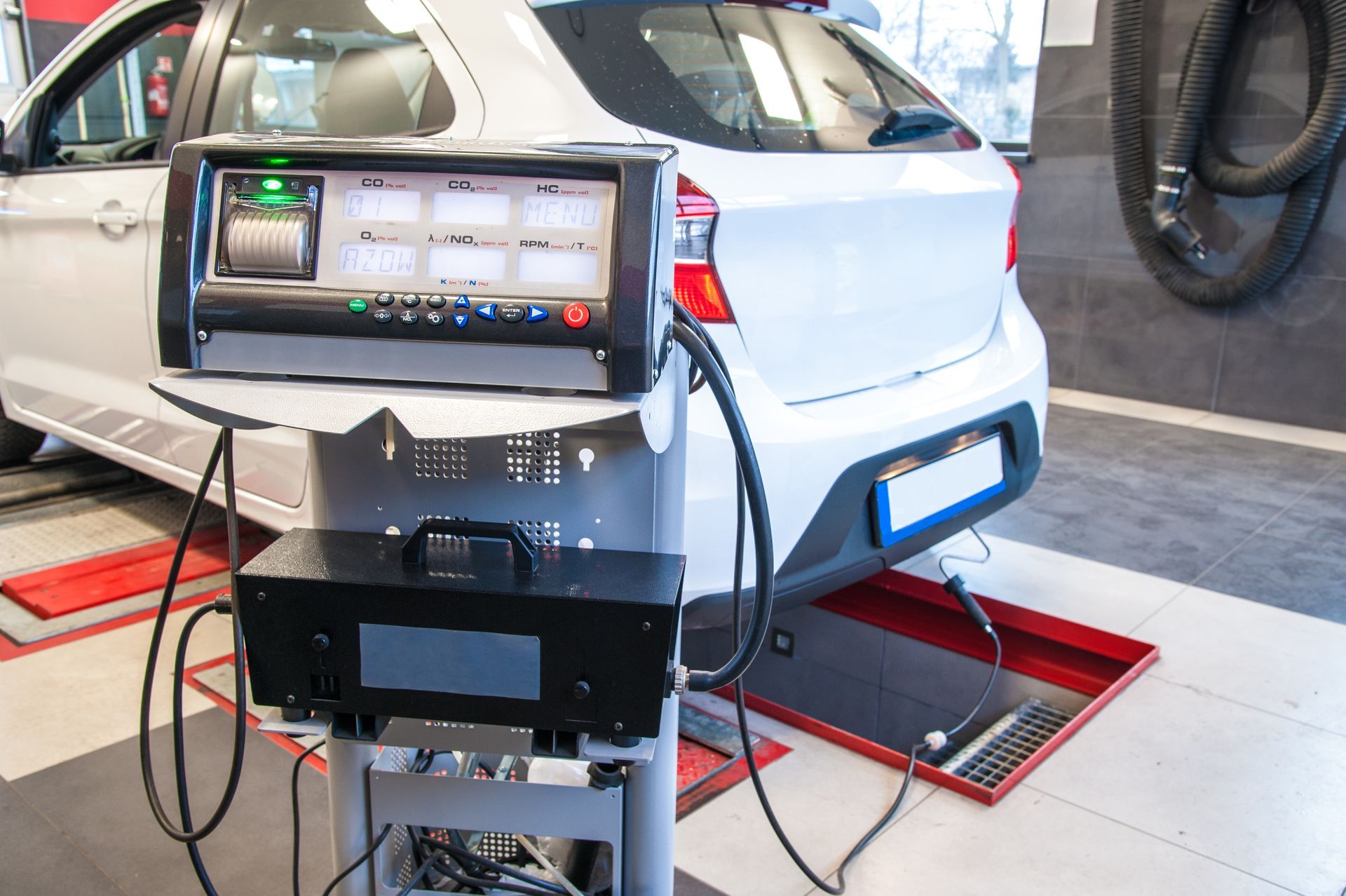
The first step is reading the codes and freeze-frame data. That data can show which cylinder misfired and what the engine was doing at the time. From there, one of our technicians may check spark plugs, ignition coils, coil boots, wiring, injector operation, fuel pressure, vacuum leaks, and compression.


A common test is moving a coil from one cylinder to another. If the misfire follows the coil, the coil is likely the problem. If it stays on the same cylinder, the cause may be the plug, the injector, the wiring, the compression, or something affecting that cylinder.


A proper inspection keeps the repair from turning into a pile of parts that did not need to be replaced.


Why Waiting Can Cost More


Misfires are rough on the engine and exhaust system. They can damage the catalytic converter, reduce fuel economy, foul spark plugs, and make the vehicle unreliable. If a small ignition issue causes the misfire, waiting can turn a simple repair into something much larger.


Regular maintenance helps prevent misfires by keeping spark plugs, filters, fluids, and small leaks from being ignored for too long. It does not prevent every failure, but it gives the engine fewer reasons to stumble.


Get Engine Misfire Service In Plano, TX, With Kwik Kar Auto Repair – Parker Road


If your engine is shaking, hesitating, or showing a blinking check engine light, Kwik Kar Auto Repair – Parker Road in Plano, TX, can test the misfire data and find the cause.
Schedule service before a misfire damages the catalytic converter or leaves you stuck with a bigger repair.

How to Tell If You Have Mold in Your Car’s A/C Vents and How to Kill It | Kwik Kar Auto Repair – Par
April 30, 2026
Learn the warning signs of mold in your car’s A/C vents, what causes it, and how to remove it before it affects cabin air quality.
What Are The Signs Of A Bad Belt Tensioner? | Kwik Kar Auto Repair – Parker Road
March 27, 2026
Kwik Kar Auto Repair - Parker Road in Plano, TX, explains the signs of a bad belt tensioner and when it needs replacement.
Why Does My Engine Rattle On Cold Starts? | Kwik Kar Auto Repair
February 27, 2026
Kwik Kar Auto Repair in Plano, TX, explains cold-start engine rattles and the most common causes.
Why Is My Check Engine Light Flashing? | Kwik Kar Auto Repair – Parker Road
January 30, 2026
Kwik Kar Auto Repair – Parker Road in Plano, TX, explains why a flashing check engine light is more serious than a steady one and why quick diagnostics protect the engine.
Color-Coding Your Exhaust Smoke - What the Color of Fumes Mean | Kwik Kar Auto Repair – Parker Road
December 19, 2025
Kwik Kar Auto Repair – Parker Road in Plano, TX, explains what different exhaust smoke colors mean and which engine problems they may indicate.
Why Even a “Good” Battery Can Give Up in Cold Weather | Kwik Kar Auto Repair – Parker Road
November 28, 2025
Kwik Kar Auto Repair – Parker Road in Plano, TX, explains why even a strong battery can fail when temperatures drop suddenly.
How Ignoring The Low Oil Pressure Warning Can Cost You a New Engine | Kwik Kar Auto Repair – Parker
October 31, 2025
Kwik Kar Auto Repair – Parker Road in Plano, TX, warns how ignoring the low oil pressure light can lead to serious engine damage.
Is Your Suspension Ready to Handle Texas’ Bumpy Backroads? | Kwik Kar Auto Repair – Parker Road
September 26, 2025
Kwik Kar Auto Repair in Plano, TX, outlines how to prepare your suspension system for rough backroads across Texas.
What’s Causing That Grinding Noise When I Brake? | Kwik Kar Auto Repair - Parker Road
August 29, 2025
Brakes are one of the most important safety features on your vehicle, and any unusual noise when braking should be taken seriously. A grinding sound is especially concerning because it often points to worn parts that could compromise your stopping ability. Ignoring it can lead to more expensive repairs and reduced safety on the road. Knowing what causes brake grinding and acting quickly can help you avoid bigger problems. Worn Brake Pads The most common reason for grinding brakes is worn brake pads. Brake pads have a friction material that wears down with use. Once this material is gone, the metal backing plate makes contact with the brake rotor every time you press the pedal. This metal-on-metal contact creates a loud grinding sound and can quickly damage the rotors. Replacing pads before they wear down completely not only prevents grinding but also protects the rotors from costly damage. Damaged or Worn Rotors If you’ve been driving with worn pads for too long, your rotors may have deep grooves or scoring. This damage can also create a grinding sound, even after new pads are installed. Warped rotors from excessive heat can cause vibrations along with noise, making braking less smooth and less effective. In some cases, rotors can be resurfaced, but often they need to be replaced to restore safe, quiet braking. Debris Caught in the Brakes Small stones, rust flakes, or other debris can get lodged between the rotor and the brake pad. This creates a constant grinding or scraping noise when you brake or even when driving without braking. While this is less common, it’s still important to address it immediately since the debris can score the rotor’s surface and reduce braking performance. Caliper or Hardware Problems Brake calipers hold the pads in place and press them against the rotors when you brake. If a caliper is sticking or if the hardware is damaged, it can cause uneven pad wear, overheating, and grinding noises. A sticking caliper can also make the vehicle pull to one side while braking and can quickly overheat the brakes. Lack of Lubrication in Brake Components The moving parts of the braking system, such as caliper slides and contact points, need to be properly lubricated to operate quietly. Without lubrication, these parts can seize or wear unevenly, leading to noise and reduced braking efficiency. Why You Shouldn’t Ignore Grinding Brakes Driving with grinding brakes can cause serious damage to your braking system. Metal-on-metal contact wears down components quickly, increasing repair costs and making your car unsafe to drive. In extreme cases, you may lose braking ability altogether. Even if the grinding turns out to be caused by something minor, it’s better to have it checked early than to risk major brake failure. Diagnosing the Problem A professional brake inspection will include checking the thickness of the pads, the condition of the rotors, and the operation of the calipers. The technician will also look for debris, damage, and signs of overheating. From there, they can recommend the right repair—whether that’s replacing pads and rotors, cleaning out debris, or servicing calipers and hardware . Preventing Brake Grinding Routine brake maintenance is the best way to prevent grinding. Have your brakes inspected regularly, especially if you drive in heavy traffic, tow, or travel in hilly areas where brakes work harder. Replacing pads before they wear down completely keeps the rest of the braking system in better shape. Also, pay attention to early warning signs like squealing or squeaking when braking. These sounds often mean the pads are getting thin and need replacement soon. Brake Service at Kwik Kar Auto Repair – Parker Road – Plano, TX If you hear grinding when you brake, don’t wait to have it checked. At Kwik Kar Auto Repair – Parker Road in Plano, TX, our experienced technicians can diagnose the cause, replace worn parts, and restore your vehicle’s stopping power. Schedule your brake inspection today and drive with confidence knowing your brakes are safe and reliable.
What Should You Look for in a Fleet Service Provider in Texas? | Kwik Kar Auto Repair - Parker Road
July 25, 2025
Kwik Kar Auto Repair in Plano and throughout Texas shares what to look for in a fleet service provider to keep your business vehicles running smoothly.