Your vehicle identification number, or VIN, is one of the most useful pieces of information attached to your car. It may look like a random string of letters and numbers, but it identifies the exact vehicle configuration that left the factory. Repair shops, parts suppliers, insurers, registration offices, and vehicle history companies all use it for different purposes.
That level of detail becomes important because two vehicles with the same year, make, and model can still use different engines, transmissions, brake systems, sensors, or suspension parts. The VIN helps narrow those differences before parts are ordered or service information is reviewed.
The VIN Helps Identify The Exact Vehicle
Most vehicles built for the 1981 model year and later use a 17-character VIN. The characters describe details such as the manufacturer, model series, engine, body style, model year, assembly plant, and production sequence. The exact meaning of certain positions varies by manufacturer.
A repair shop can enter the VIN into a parts catalog or service database to confirm which version of the vehicle is being worked on. This is more accurate than relying only on the badge on the trunk or the information printed on an old repair invoice.
It Helps Shops Order The Correct Parts
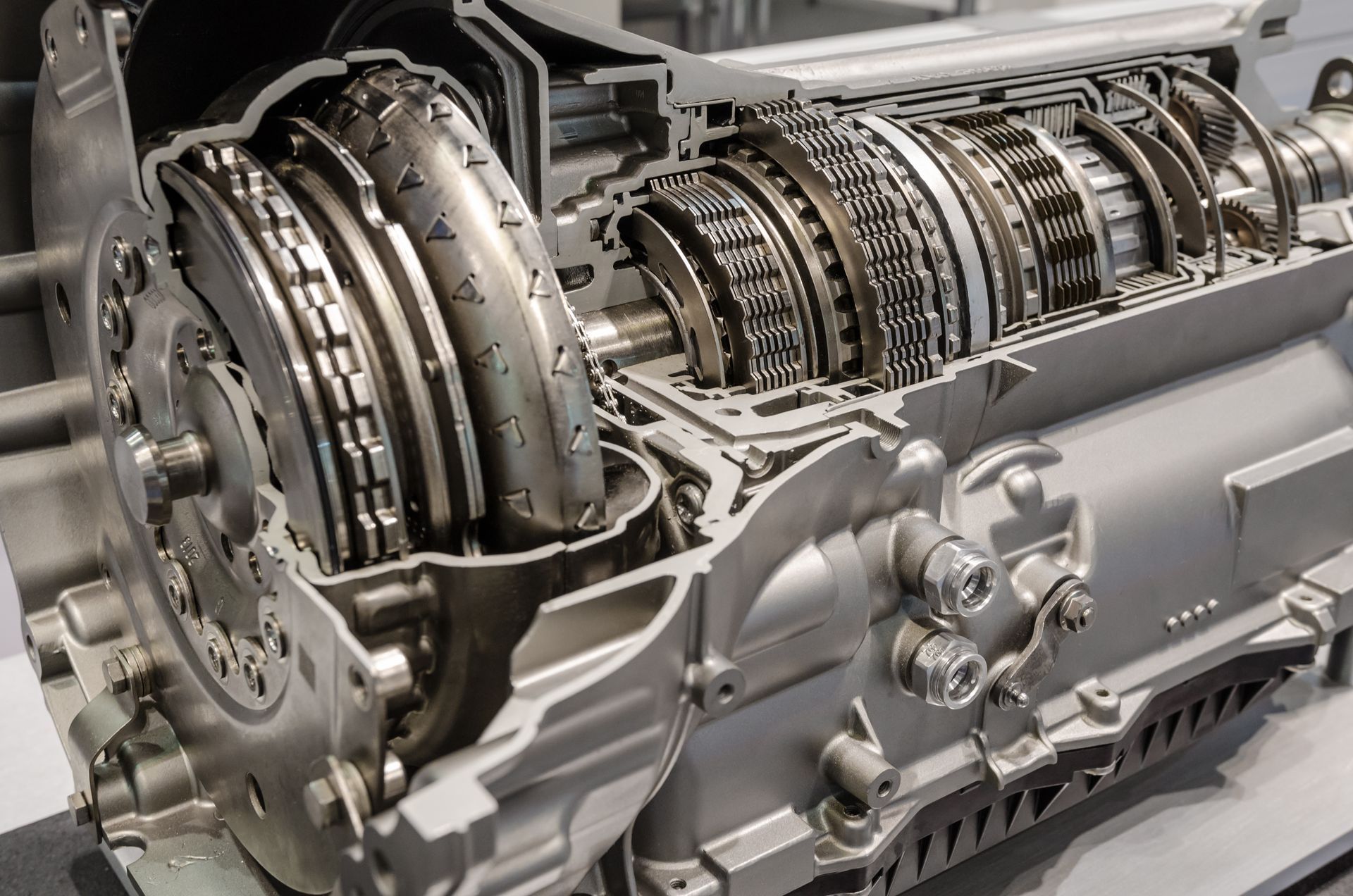
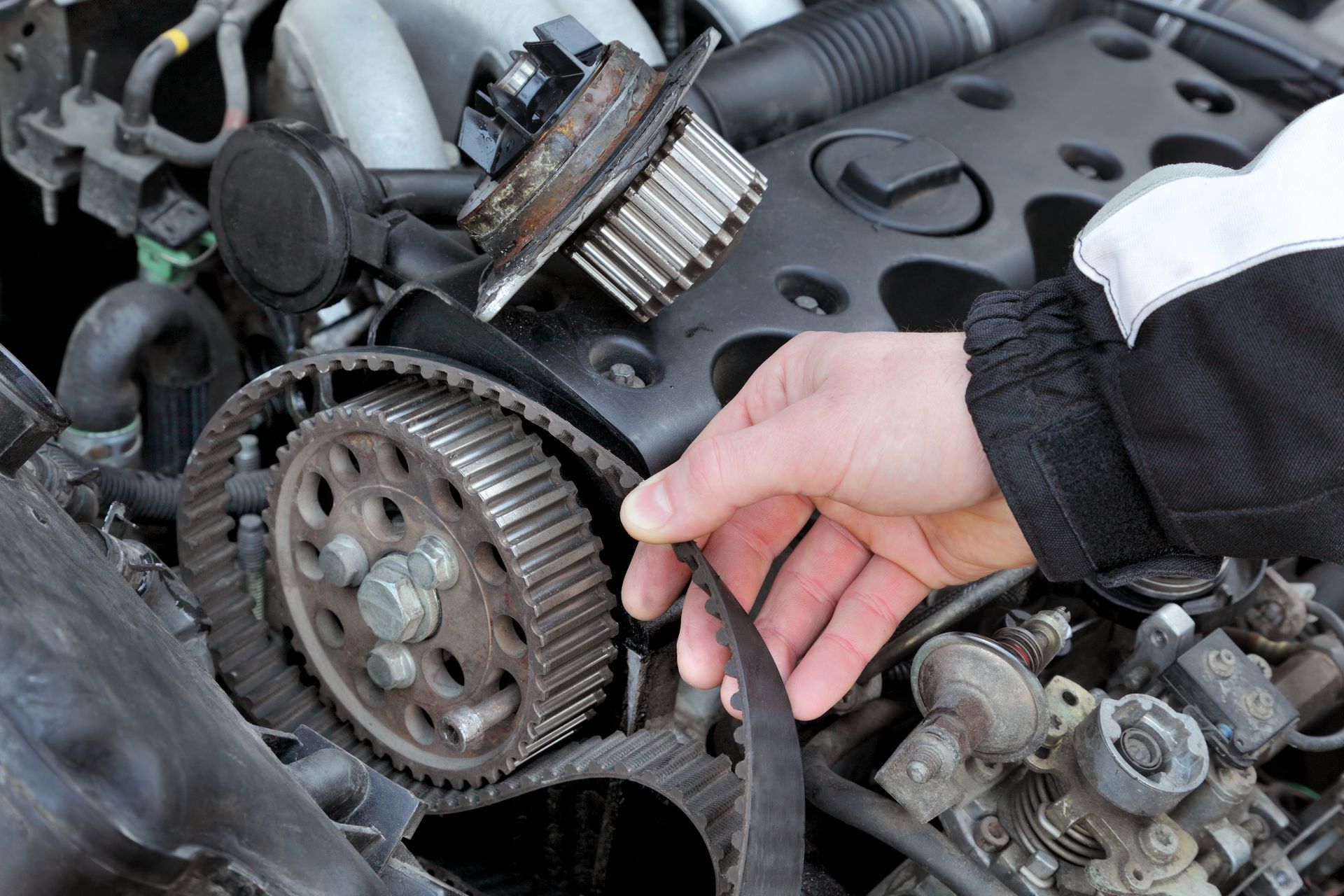
Many parts are not interchangeable across every version of the same model. A vehicle may have several available brake rotor sizes, alternator outputs, engine options, transmission designs, or suspension packages. Some manufacturers also make production changes halfway through a model year.
The VIN helps identify which part is most likely to fit the original factory configuration. It reduces the chance of ordering a component that looks almost identical but has a different connector, mounting point, capacity, or calibration. The old part may still need to be compared with the new one before installation, especially if the vehicle has been modified.
Service Information Can Be Matched To Your Car
Repair procedures are often specific to the engine, transmission, drivetrain, or equipment package. The correct torque specifications, fluid requirements, wiring diagrams, reset procedures, and diagnostic steps may vary across different versions of the same model.
Using the VIN allows technicians to access service information that is more closely matched to the vehicle in front of them. This is especially useful on modern cars with advanced electronics, driver-assistance systems, turbocharged engines, hybrid components, and manufacturer-specific maintenance requirements.
The VIN Can Reveal Open Safety Recalls
Safety recalls are tied to specific production ranges, not always every vehicle of a certain model year. Two cars that look identical may have been built at different plants or during different months, placing one inside a recall group and the other outside it.
Manufacturers and government recall databases use the VIN to check whether a vehicle has an open recall. The lookup may also show whether the recall repair has already been completed. Recall work is generally handled through the manufacturer’s dealership network, but an independent shop may still notice a recall while reviewing the vehicle’s information.
Vehicle History Reports Use The VIN
A vehicle history service uses the VIN to link records from state agencies, insurers, repair facilities, inspection stations, auctions, and other sources. Depending on what has been reported, the history may include title brands, mileage entries, registration locations, accident reports, ownership changes, and salvage records.
These reports can be helpful when buying a used vehicle, but they are not complete mechanical inspections. Not every repair, collision, or ownership event is reported. A clean history report does not prove that the vehicle has never been damaged or poorly maintained.
Maintenance Records May Be Connected To The VIN
Some shops, dealerships, and service networks store maintenance records using the VIN. This can help confirm when services such as oil changes, brake work, battery replacement, tire installation, coolant service, or transmission maintenance were completed.
Records do not always transfer between every repair business, and work performed at home may never appear. Receipts and previous inspection notes are still valuable. When available, VIN-based records help build a more complete picture of what has already been done and what may be due next.
The VIN Helps Verify Fluid And Maintenance Requirements
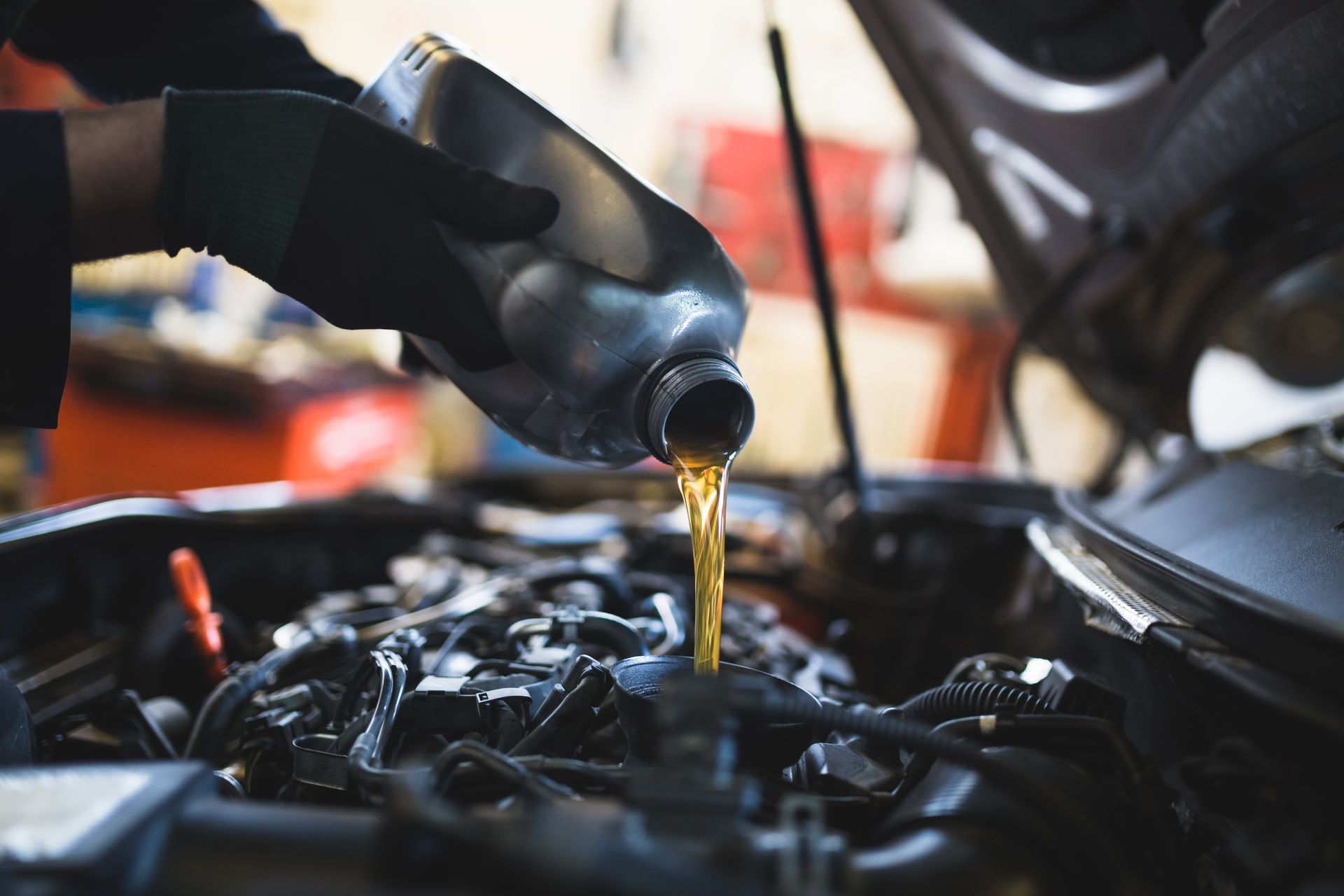
Engine oil, coolant, transmission fluid, differential fluid, and brake fluid are not always chosen by appearance or color. Manufacturers specify exact standards, and using the wrong product can affect operation or damage internal components.
The VIN helps identify the vehicle’s original engine, transmission, drivetrain, and equipment. That information guides the selection of the correct fluid specification and the maintenance schedule. It is particularly useful when one model was sold with several powertrains or when the owner’s manual covers multiple configurations.
Insurance And Registration Records Rely On It
Insurance companies use the VIN to identify the insured vehicle and estimate details such as equipment, safety features, body type, and replacement value. Registration and title agencies use it to connect the vehicle to its legal ownership records.
An incorrect VIN on a policy, title, or registration can create delays during a claim, sale, inspection, or renewal. It is worth comparing the number on the paperwork with the dashboard plate and driver’s door label. A single incorrect character can connect the document to the wrong vehicle.
The VIN Does Not Show Current Mechanical Condition
The VIN can identify how a car was built and connect it with reported records, but it cannot tell you how the vehicle drives today. It does not show whether the tires are worn, the brakes are sticking, the engine is leaking oil, or the suspension has developed play.
That is why a physical inspection is still needed before buying a used car or planning repairs. The VIN provides background and helps identify the correct information. The inspection shows the vehicle's actual condition and which services are currently needed.
Where To Find Your VIN
The most common location is the lower driver’s side corner of the dashboard, where it can be seen through the windshield. It is also usually printed on a label inside the driver’s door jamb.
The number normally appears on the title, registration, insurance card, and many repair invoices as well. For parts and service, using the VIN directly from the vehicle is helpful because paperwork can occasionally contain a typing error.
Get VIN-Based Auto Service In Plano, TX, With Kwik Kar Auto Repair - Parker Road
When your car needs maintenance or repair, Kwik Kar Auto Repair - Parker Road in Plano, TX, can use the VIN to identify the correct parts, fluid specifications, maintenance information, and repair procedures for your exact vehicle.