A car that hesitates, revs high, jerks, or feels weak can make the driver think the transmission is slipping. Sometimes that is exactly what is happening. Other times, the transmission is being blamed for an engine problem that only feels like a shifting issue from behind the wheel.
That mix-up is more common than many drivers expect. The engine and transmission work so closely together that one can make the other look guilty. A weak engine can make shifts feel odd. A slipping transmission can make the engine sound like it is working too hard. Sorting it out takes more than a quick drive around the block.
Why Transmission Slipping Feels Like Engine Trouble
Transmission slipping usually means the engine speed rises, but the vehicle does not accelerate as it should. You may press the gas, hear the engine rev, and feel a delay before the car catches up. It can feel like the power is not reaching the wheels.
That can happen because of low transmission fluid, worn internal clutches, pressure problems, valve body trouble, sensor issues, or fluid that has broken down. The car may still move, but the connection between engine power and road speed feels loose. That loose feeling is the first thing drivers notice.
Signs Your Transmission May Be Slipping
A slipping transmission tends to show up under load. It may happen when you accelerate from a stop, merge onto the highway, climb a hill, or try to pass. The engine speed may jump higher than normal, but the car does not respond right away.
A few transmission-related clues include:
- Engine revs rising without matching road speed
- Delayed engagement after shifting into drive or reverse
- Harsh or late shifts
- Shuddering during acceleration
- Burning smell from overheated fluid
- Transmission warning light
- Fluid that looks dark or smells burnt
These signs do not prove the transmission is failing, but they make it worth checking soon. Driving with slipping can generate more heat, which is hard on transmission parts.
Engine Problems That Feel Like Transmission Trouble
Engine trouble can feel surprisingly similar. If the engine misfires, loses fuel pressure, has a clogged air filter, leaks vacuum, struggles with a sensor problem, or has a weak spark, the car may hesitate or jerk when you accelerate. From the driver’s seat, that can feel like a bad shift.
A misfire is a common example. The transmission may shift normally, but the engine stumbles right as power is requested. The driver feels a buck, lag, or rough push and assumes the transmission slipped. Spark plugs, ignition coils, fuel injectors, air intake leaks, and engine sensors can all create that kind of confusion.
Pay Attention To When The Symptom Happens
The timing of the symptom helps tell the story. If the issue happens right when the vehicle changes gears, the transmission should be checked closely. If it happens when you first press the gas, before the shift, the engine may deserve more attention.
A steady vibration at a single speed may point to tires, mounts, axles, or drivetrain parts. A stumble with a flashing check engine light points more toward an active misfire. A delay when shifting from park to drive points more toward the transmission. These patterns are useful, but they still need testing because real-world symptoms do not always follow a perfect script.
Warning Lights Can Help, But They Do Not Decide
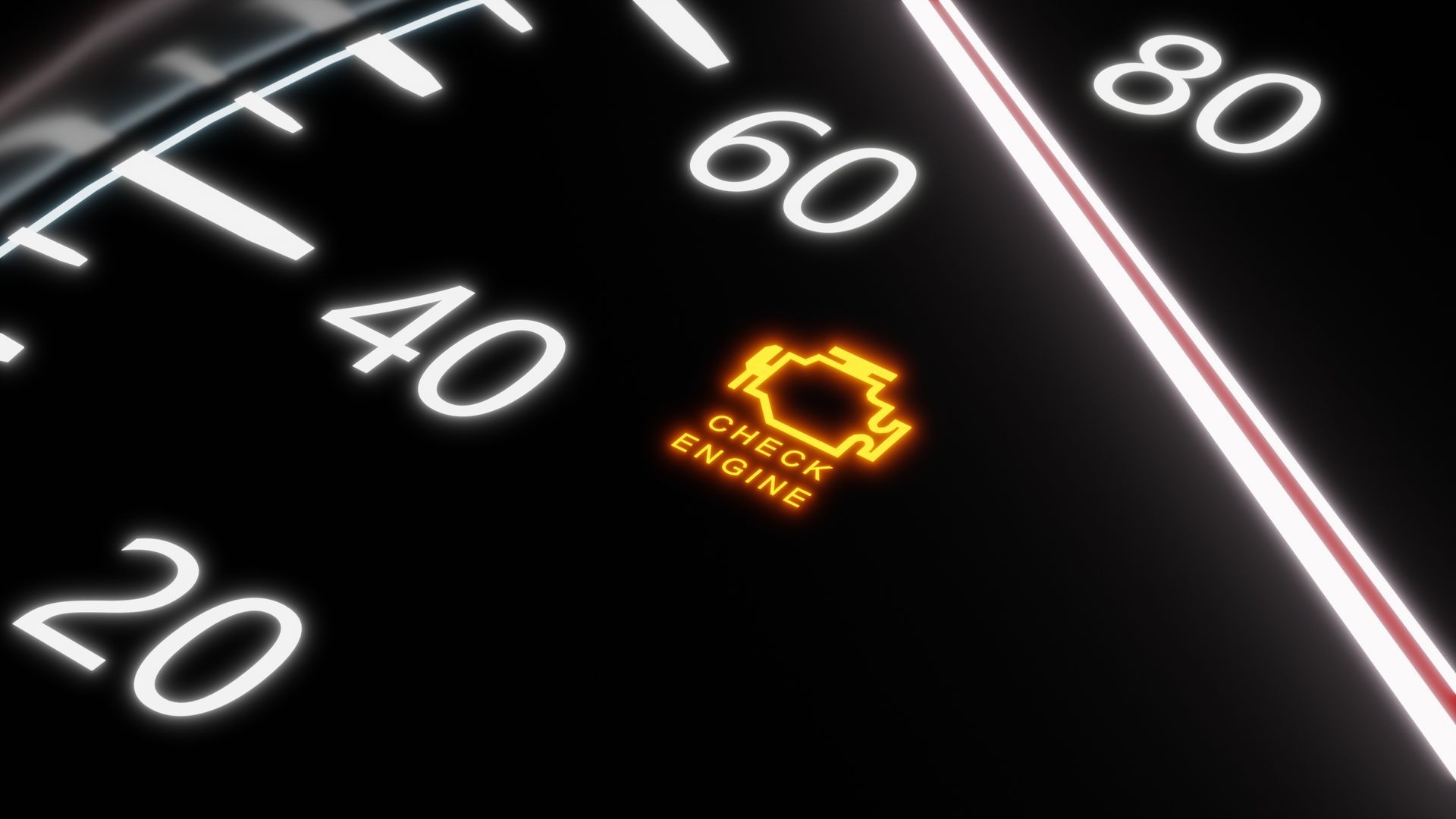
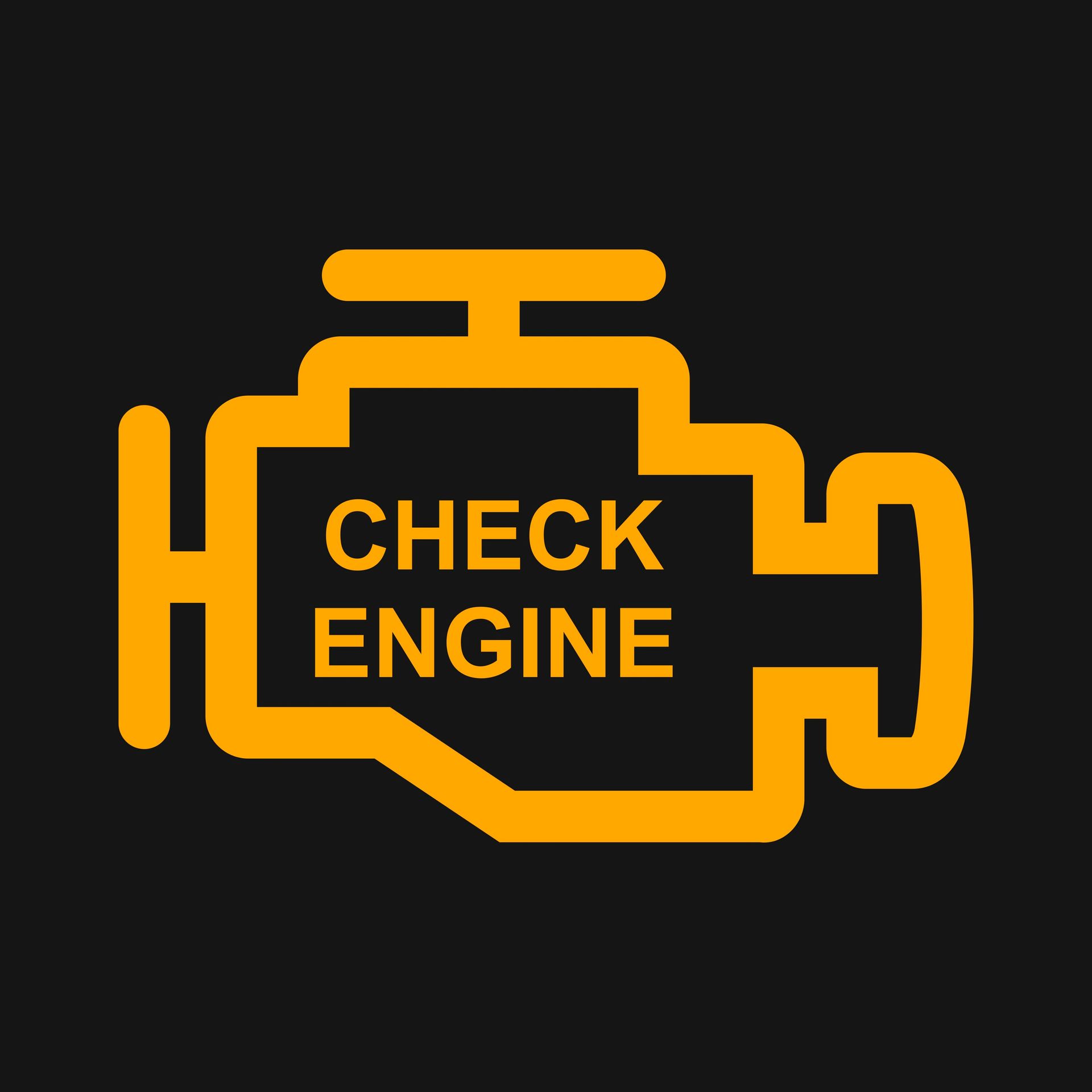
A check engine light can come on for engine or transmission-related faults. Some vehicles store transmission codes in the same system that turns on the check engine light. Others may show a separate transmission warning or reduced power message.
A scan is helpful, but the code is only the first clue. A misfire code, shift solenoid code, torque converter code, fuel trim code, or sensor code all need to be confirmed. We have seen cars where the transmission was blamed, but the actual issue was a poorly running engine under load. We have also seen the opposite, where the engine sounded busy because the transmission was slipping.
Fluid Checks And Road Testing Make A Difference
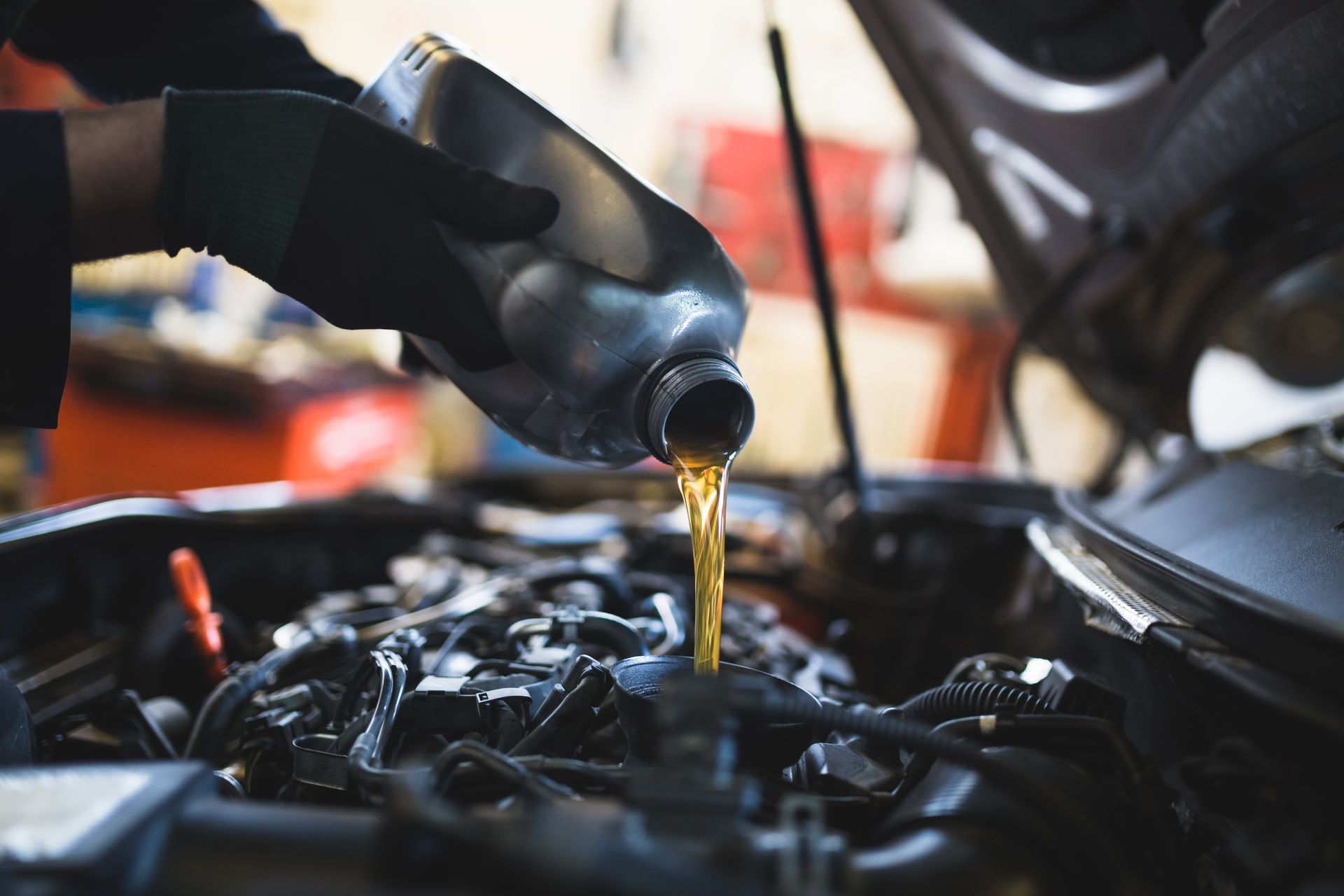
Transmission fluid can tell part of the story. Low fluid can cause slipping, delayed engagement, shuddering, and overheating. A dark, burnt, or contaminated fluid can indicate heat and internal wear. Some vehicles do not have an easy-to-use dipstick, so the fluid must be checked using the correct procedure.
A proper road test also matters. The vehicle should be driven in the conditions where the symptom happens. Light throttle, hard acceleration, hills, stop-and-go traffic, and highway speeds can all reveal different clues. Regular maintenance helps catch fluid issues, leaks, and early drivability problems before they become more difficult to diagnose.
Why Testing Beats Replacing Parts Too Soon
Transmission repair can be expensive, so it should not be the first assumption. Engine work can also get costly if parts are replaced without proof. The smarter path is to compare engine data, transmission behavior, fluid condition, codes, and road test results.
A careful inspection can show whether the problem is slipping, misfiring, fuel-related, sensor-related, mount-related, or something else in the drivetrain. That keeps the repair focused. It also helps drivers avoid paying for a transmission fix when the engine was the real cause, or chasing engine parts when the transmission needed attention all along.
Get Transmission Diagnostic In Plano, TX, With Kwik Kar Auto Repair - Parker Road
If your car hesitates, revs high, shifts strangely, jerks, shudders, or feels weak under acceleration, Kwik Kar Auto Repair - Parker Road in Plano, TX, can check the engine, transmission, fluid condition, codes, and drivability symptoms.
For clear answers before the wrong system gets blamed, contact us to schedule an appointment.