You're driving through Plano when the traction control light suddenly appears. Maybe the road is wet, and the icon flashes for a moment. Maybe it stays lit on dry pavement, and the car feels less responsive. Those situations call for different reactions. Traction control is designed to manage wheelspin, but the same symbol is also used to warn drivers when part of the system has been disabled.
Start with the road surface, the warning's behavior, and any change in how the car drives.
A normal drive, then a sudden traction-control warning. What changed?
What a Flashing Traction Control Light Means While Moving
A blinking traction symbol often means the system detected wheelspin and intervened. On wet pavement, gravel, or ice, the computer reduces engine power or brakes a spinning wheel to control traction. The driver feels a brief hesitation or hears the traction system working.
That's normal when the tires lose grip. Ease off the accelerator, keep steering inputs smooth, and allow extra room. The system cannot overcome a road surface with almost no traction. If the light flashes during gentle driving on clean, dry pavement, the vehicle or tires need inspection to explain the unexpected intervention.
A Steady Traction Control Light Is a Different Warning
A steady light sometimes indicates that the driver switched traction control off. Some vehicles use a dashboard button or menu setting for this purpose. Check the information display and the owner's manual, then follow the manufacturer's procedure to restore the feature.
If nobody switched the feature off, the computer has likely stored a fault and disabled its assistance. The car often drives normally while lacking traction or stability assistance during a sudden maneuver. Don't treat the steady icon as proof of one failed sensor. It signals that more information is needed before the repair can be selected.
Why the ABS Light Sometimes Comes On at the Same Time
Traction control and ABS often share wheel-speed sensors and related electronic controls. A sensor fault, damaged wiring, or a wheel-bearing encoder problem often triggers both lights. Does the ABS light appearing with the traction warning suggest a shared sensor fault? The exact fault is stored in the braking or stability module, not always in the ordinary engine computer.
A scan tool capable of reading those modules is necessary for a complete inspection. We also check basic brake operation, tire condition, and connections. If the brake pedal feels different or stopping distance increases, stop driving safely and arrange assistance. Normal mechanical braking and electronic assistance are not identical functions.
Sudden Traction Warning With Reduced Engine Power
Some vehicles use engine torque reduction to control slipping.
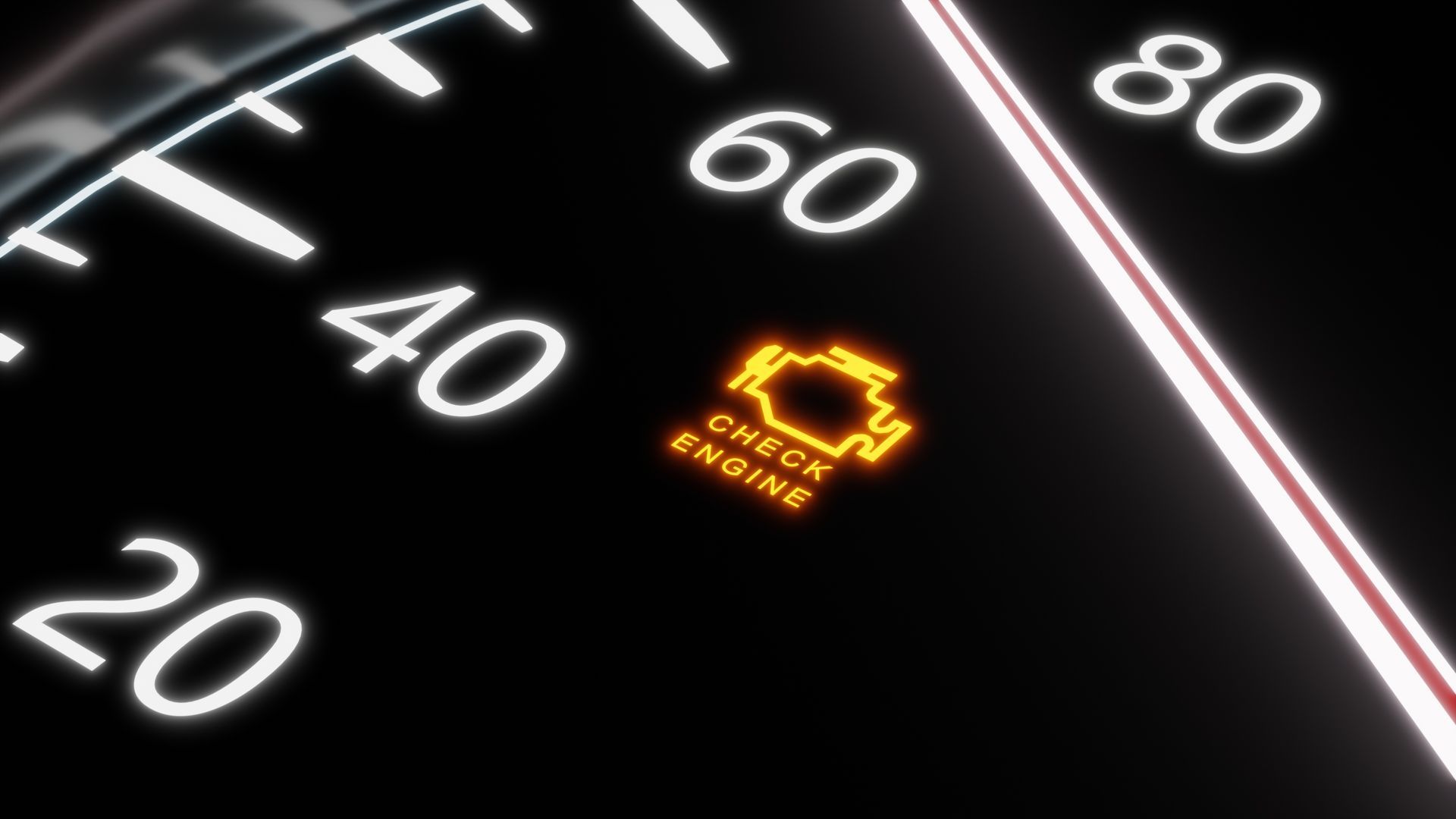
An engine or throttle fault sometimes limits power and turns on traction warnings even when the wheels are fine. A check engine light alongside the traction symbol provides another important clue.
Don't continue a long drive with severe power loss, shaking, or stalling. Move somewhere safe and request service. If the vehicle is driving normally but the warning remains on, avoid harsh acceleration and slippery routes until the cause is checked. Respond to the way the car drives, not just the color of the warning symbol. When engine power changes at the same moment, we read engine and stability fault data together.
Tire Changes and Road Hazards That Trigger the Light
A warning that appears right after a pothole strike points toward damaged sensor wiring, wheel, or tire components.
Very low tire pressure and mismatched tire sizes also change how wheel speeds compare. On some vehicles, a brief wheelspin is enough to trigger the light during normal traction control intervention. Look for a tire warning and note any recent tire replacement, brake work, or wheel-bearing service. Don't reach under a running vehicle to inspect sensor wiring. Tires and electronic components are checked safely on a lift, then compare sensor data under controlled conditions.
What to Do Immediately When the Traction Light Appears
Avoid panic braking just because the symbol flashes. Watch the traffic around you, ease the accelerator if grip is poor, and move to a safe location if the vehicle is behaving unexpectedly. Record these clues when stopped:
- Flashing or steady traction control symbol
- Wet, loose, or dry road surface
- Any sudden loss of engine power
- Did the ABS or check engine light appear?
Those answers help distinguish normal intervention from a system fault. Don't disable safety functions or repeatedly spin the wheels in an attempt to reproduce the warning.
How the Traction Control System Is Inspected
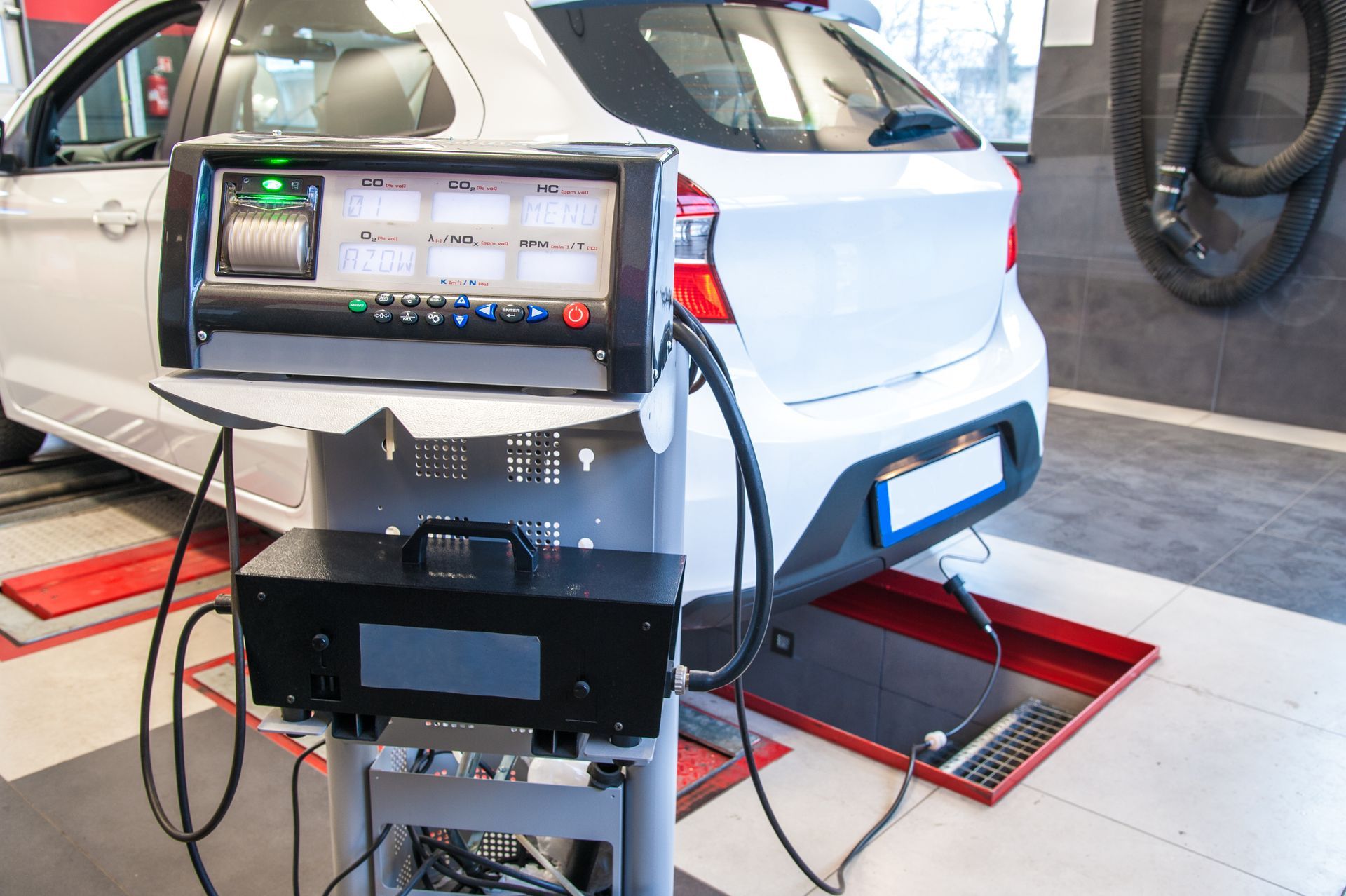
Testing includes scanning the ABS, stability, and engine modules where relevant. We check wheel-speed readings, tires, sensor connections, brake system condition, and stored fault information. Some faults need a controlled road test. Others are confirmed through electrical testing while the car is stationary. A successful repair restores the system's intended operation and resolves the underlying fault.
Simply clearing a dashboard light doesn't prove the cause is gone. If the warning began immediately after work, the repair history helps identify any connection or calibration step needing review. We'll check the brake system and tire condition before deciding which electronic part is responsible.
Traction Control Light Service in Plano, TX
At Kwik Kar Auto Repair – Parker Road in Plano, TX, we check traction control warnings, ABS sensor information, and related engine or tire problems when a light appears unexpectedly during a drive. Explain what the car did at the moment the symbol came on.